
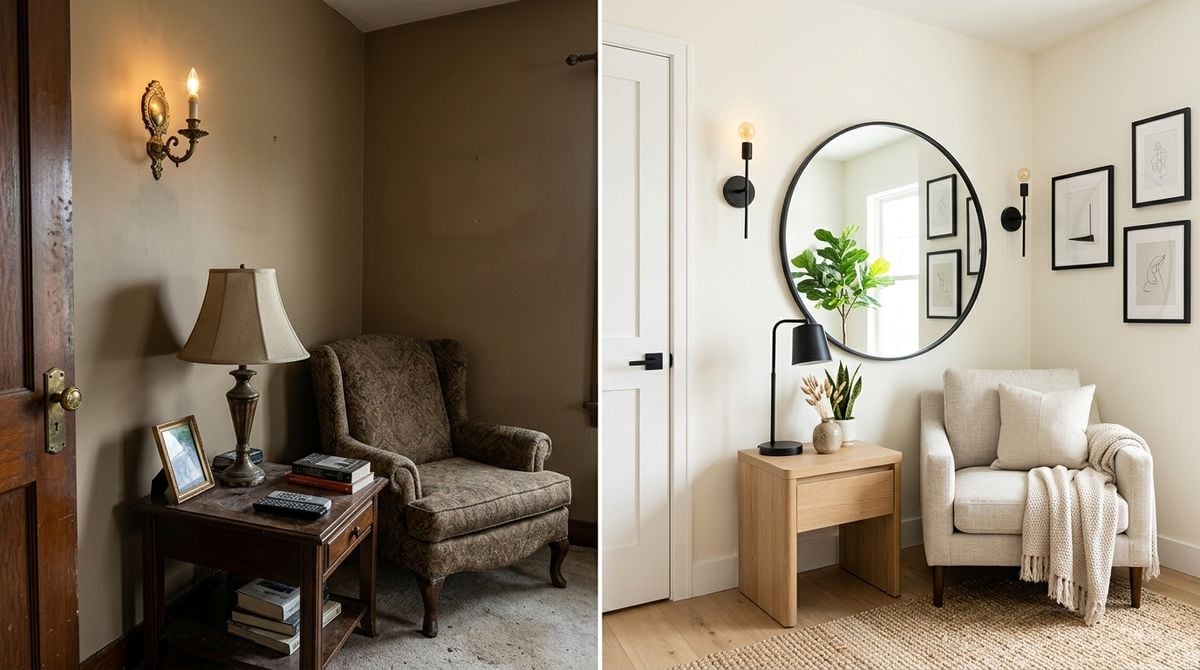
Many aspiring homeowners dream of purchasing a property with character and customizing it to fit their lifestyle. Yet when faced with outdated electrical panels, aging roof lines, or awkward floor plans, excitement often turns into hesitation. Prospective buyers struggle to distinguish between superficial cosmetic flaws and serious structural liabilities. This knowledge gap creates a compelling business opportunity for practical entrepreneurs who understand residential construction, project planning, and property potential.
Launching an independent fixer-upper property advisory service allows you to guide buyers through the high-stakes decision of purchasing an older or distressed residence. Rather than working on sales commissions like traditional agents, an independent advisor operates as a dedicated consultant. Your primary mission is to evaluate prospective properties before an offer is submitted, assessing layout feasibility, spotting red flags, and outlining clear renovation scopes so clients can make confident moves.
Defining Your Core Advisory Services
A successful advisory practice begins with well-defined service boundaries. As an advisor, you are not acting as a licensed structural engineer or a municipal code official, nor are you replacing a standard property inspector. Instead, you serve as an experienced renovation strategist who helps clients understand what changes are realistic, what challenges may arise, and how to prioritize improvements.
Your service menu should feature structured walk-through assessments where you tour target homes alongside the buyer. During these visits, you examine the existing layout, determine whether specific walls can be removed, and assess whether mechanical systems are located conveniently for planned expansions. Following the walkthrough, you deliver an actionable feasibility brief that categorizes potential updates into essential repairs, functional layout upgrades, and optional stylistic enhancements.
While some home entrepreneurs choose the path of building a boutique home interior refresh business to style and finish existing living spaces, an acquisition advisory firm enters the picture much earlier. You assist clients when they are still standing on bare subfloors, evaluating whether a home has the foundational bones and physical clearance to support their long-term vision.
Navigating the Property Search Alongside Clients
The acquisition journey starts long before buyers set foot inside an open house. Most buyers begin their search by reviewing real estate portals, trying to spot fixer-uppers that offer sound architecture at accessible valuations. An effective advisor helps streamline this early screening stage by reviewing prospective listings remotely to filter out properties that present disproportionate risks.
Encourage your clients to curate candidate properties from discovery resources such as idreamhomez.com as they pinpoint desirable neighborhoods and architectural styles. Once a buyer identifies promising options, you can analyze listing photos, architectural footprints, and property disclosures. This preliminary review catches warning signs like sagging roof planes, severe water drainage slopes, or unpermitted additions before the buyer wastes valuable time scheduling tours.
When high-potential candidates make the shortlist, you join the buyer on site. Walking through a home with an objective advisor transforms the buying experience. While the buyer envisions paint swatches and kitchen cabinetry, you inspect joist orientations, furnace age, and attic ventilation. This disciplined dual perspective ensures your clients make offers grounded in operational reality rather than emotional attachment.
Developing Accurate Scopes and Renovation Frameworks
After touring a property, buyers need clarity on what executing their dream will require in practice. The core deliverable of your advisory service is a structured renovation roadmap. This document outlines the logical order of construction, highlights dependencies between systems, and identifies areas where specialist trades must be consulted.
Every thorough property review relies on a consistent evaluation protocol. During an on-site walkthrough, a disciplined advisor should systematically evaluate several essential building areas:
- Structural alignment, foundation integrity, and subfloor stability
- Plumbing, electrical service capacity, and mechanical heating layouts
- Interior wall configurations, traffic flow, and load-bearing spans
- Exterior siding, window seals, roof drainage, and perimeter grading
Educating buyers on routine property maintenance versus major structural intervention is an ongoing part of your consultations. You can direct homeowners toward practical maintenance hubs like lonestarborger.com to help them learn routine home care, seasonal upkeep, and straightforward DIY upgrades that keep properties in sound shape. Establishing this baseline knowledge gives clients confidence, allowing them to reserve their project resources for complex contractor-driven tasks.
Building Your Professional Network and Trade Partnerships
An advisory firm thrives on strong community relationships. To provide exceptional value, you need a dependable network of licensed trade contractors, structural designers, and soil engineers who are willing to offer expert opinions on specialized issues. When a client encounters an unfamiliar foundation settling crack, having a trusted engineer on speed dial reinforces your credibility.
Real estate agents can become your strongest referral partners if you position your service correctly. Some agents initially fear that an advisor might scare buyers away from completing a deal. You can overcome this hesitation by demonstrating that your reports provide actionable solutions rather than deal-breaking alarmism. When buyers understand how to solve property flaws systematically, they move forward with offers much faster.
Maintain complete independence from the contractors you recommend. Avoid accepting referral kickbacks or commissions from builders, electricians, or plumbers. Operating strictly on transparent client fees guarantees that your evaluations remain completely unbiased. Your clients will appreciate knowing that your only incentive is protecting their interests and helping them create a safe, functional home.
Structuring Operations, Pricing, and Client Onboarding
Establishing clear operational boundaries protects both your schedule and your business reputation. When onboarding new clients, outline your scope of work with a written agreement. Specify that your service provides property feasibility consulting and project roadmaps, and clarify that official building permits, code approvals, and engineering stamps must be handled by licensed authorities.
A tiered service model works well for advisory practices. You might offer a preliminary listing review package for clients who want remote screening of several properties, an individual property walkthrough package for serious contenders, and a comprehensive project roadmap package for properties under contract. Charging transparent flat rates for these packages eliminates ambiguity and allows buyers to plan their consulting investment predictably.
Deliver your findings using clean, accessible summaries. Combine annotated photographs of the home with clear bullet points that explain what needs immediate attention and what can wait for future phases. Avoid dense technical jargon that leaves clients feeling overwhelmed. A well-organized report becomes a cherished guide that clients reference long after closing on the property.
Launching an advisory service centered on fixer-upper properties allows you to turn construction insight and property vision into a rewarding independent enterprise. By standing beside buyers during the search phase, uncovering structural reality, and charting practical improvement paths, you provide peace of mind in a monumental life decision. With disciplined evaluations, transparent client relationships, and a passion for residential revitalization, you can build a respected consultancy that transforms aging houses into cherished family homes.