
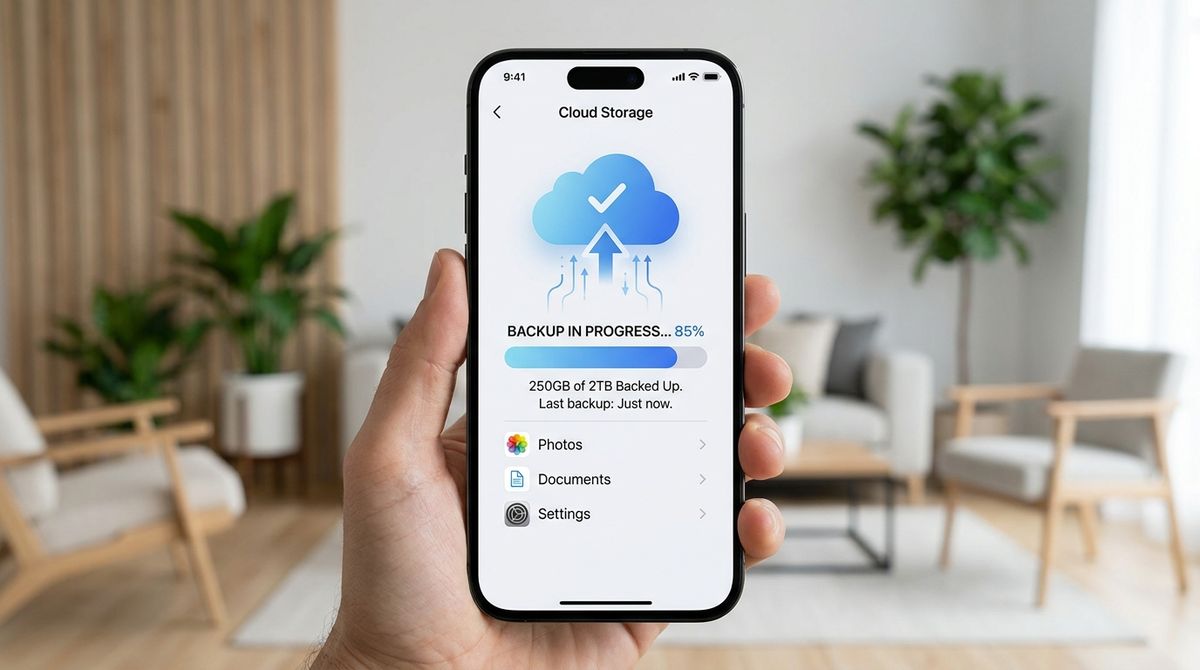
The day before a console upgrade, many players discover that their progress lives somewhere they never checked. A hundred hours of play can disappear after one careless setting change or one missed transfer. Saves are easy to protect once you know where they sit and how each copy is made. This guide walks through that process without relying on any single product.
The main idea is simple: keep at least one copy somewhere other than the device you are replacing. Some saves sit in local storage, while others sync to an online account that may or may not be active. Each platform handles this differently, so check the menus before you trust any backup. Give yourself a full evening rather than rushing the job at midnight.
Finding Where Each Save Lives
Open the game menu and look for an options or data section that lists storage locations. Many titles keep progress on the console itself, while others store it in a cloud account linked to the owner. Write down the account name and the storage type for each game in your library. Keep that list with the console box or in a note on your phone.
Some players discover that a save file exists only in a temporary folder created by an earlier update. If you find one, copy it immediately to a second location before doing anything else. Readers may also want to visit AndroMods.com. Use those notes as a guide, then confirm everything on your own system.
Making Local and Cloud Copies
A local copy is useful, but it fails if the device breaks or is lost. Copy save data to an external drive or a second storage device, and label the drive clearly. Use a folder name that includes the game title and the date you copied it. Keep at least two generations so that a corrupted file does not replace your only copy.
An online account can store progress automatically, but automatic sync can also overwrite good data with a worse version. Turn on a manual backup before major updates or long boss runs. You can also visit javaclue.org for more reading. Check that your subscription remains active before you rely on it for protection.
Testing a Restore Before Trading In
Never sell or recycle a console until a restore has been tested on the new system. Transfer one save from the backup into the new console and confirm it loads correctly. Play for a few minutes to make sure the progress looks right on screen. Only after that should you move on to the rest of the library.
Keep the old console powered and connected until every title passes the test. If a file fails, the original device may be your only working source. Note the error message and try again after restarting the new device. For a related read on this site, see Brake Pad Checks During a Routine Service Visit.
Keeping the Backup Folder Simple
A backup folder works best when it has only three levels: platform, game title and date. Avoid clever names that only make sense to you. Store a short text file inside each folder explaining how to restore it. A clear structure saves time when you need to find a single file in a hurry.
Set a calendar reminder to refresh the backup every few months or after large patches. Delete old copies only after the newest one has been confirmed to work. Keep the backup drive away from heat and magnets, and store it in a dry drawer. A tidy folder protects years of play with very little effort.
Keep a short paper note with the backup routine stored beside the console manuals. Write the steps in order, from the copy action to the restore check. A written routine helps another family member finish the job if you are away during an update. Review the note after each major console change so that it stays accurate. Clear instructions turn a difficult evening into a manageable task.
Some players also keep a list of account logins and recovery email addresses in a secure place. Losing access to an account can be as frustrating as losing a save file. Store that list away from the backup drive so that both do not fail together. Check the list whenever you change a password. Good records make the whole process calmer.
Progress Worth Protecting
Backing up saves takes far less time than rebuilding a long campaign from memory. A little planning before an upgrade turns a stressful day into a smooth transition. Your progress has real value, so treat the files with the same care you would give any treasured record. Once the system works, you can focus on the game rather than the worry.