
The landscape of modern business demands more than just technical proficiency or industry experience. It requires a commitment to continuous learning and the ability to adapt to shifting circumstances. Entrepreneurs often find themselves caught in a cycle of immediate task management, losing sight of the deeper skill acquisition needed for long-term survival. Building an adaptive leadership style starts with intentionally crafting a personal curriculum that aligns with both professional goals and the broader demands of a changing economy.
Professional mastery is not achieved through a singular event or a momentary breakthrough. It is the result of consistent, purposeful effort directed toward expanding your understanding of how markets operate and how organizations function. When you move beyond the daily grind, you create space for deeper reflection on the principles that drive sustained success. This approach transforms the way you approach business challenges, turning obstacles into opportunities for genuine growth rather than mere survival.
Defining Your Path to Professional Mastery
The first step toward becoming an adaptive leader is defining what mastery actually looks like in your specific context. This involves stepping back from immediate operational pressures to consider the skills and mindsets that will be essential for future success. Focus on identifying gaps in your current knowledge rather than simply doubling down on existing strengths. This process is about building a foundation that allows you to pivot when the market requires it.
Consider the overarching goals you have for your organization and evaluate the capabilities necessary to achieve them. Do you understand the nuances of how your industry is evolving on a global scale? Are you capable of leading teams through periods of significant transition? These are the foundational questions that help you determine where your learning efforts should be directed. By creating a personal roadmap for development, you avoid the trap of superficial skill acquisition and focus on deep, transformative learning.
Integrating Formal Learning into Your Daily Workflow
Integrating structured learning into a busy schedule requires intention and discipline. It is easy to view education as something that occurs separately from your professional life, but the most effective leaders find ways to weave it directly into their daily routines. By creating a system for capturing and applying new insights, you ensure that learning is not just a passive activity but a tool for operational improvement.
This process of structured engagement allows you to stay current with developments that might otherwise pass you by. When you actively seek out resources that provide depth and clarity, you enhance your ability to make informed decisions for your business. For those looking to structure their development, canisiuscampus.net offers a helpful starting point to explore new approaches and perspectives on what is possible within a changing environment. Using such resources as part of a deliberate learning routine transforms the way you engage with professional challenges.
Cultivating Adaptability through Global Perspectives
Adaptability is often limited by a narrow viewpoint. Leaders who remain locked in their own regional or industry-specific bubbles struggle to anticipate shifts in consumer behavior or technological integration. Cultivating a global perspective allows you to recognize patterns in other sectors or geographies and apply those lessons to your own business environment. This form of cross-pollination is essential for staying ahead in a competitive market.
Developing this perspective involves intentionally exposing yourself to diverse ways of thinking and problem-solving. This might mean exploring educational content from different cultures or studying how international businesses have navigated transitions. Resources such as Raku Raku School can serve as a conduit for this kind of exploration, helping you find inspiration for an inspired life that is well-suited for a globalized world. When you broaden your lens, you become more capable of identifying the subtle signals of change that others might overlook.
Building a Foundation for Long-Term Professional Change
Managing the influx of information that comes with constant learning is perhaps the most significant challenge for the modern entrepreneur. As you consume new ideas, they must be organized in a way that makes them accessible and useful when you need to act on them. Developing a robust method for managing this information is crucial for maintaining clarity while you continue to grow your skillset. To better understand how to effectively master your own personal knowledge system, it is useful to review strategies for organizing the insights that you gather from your ongoing curriculum.
Creating a stable framework for your knowledge helps you avoid overwhelm. Without this foundation, learning can become cluttered and chaotic, leading to paralysis rather than action. A structured system allows you to build a repository of concepts, techniques, and reflections that you can draw upon to guide your leadership decisions over the long term.
Scaling Your Learning to Support Business Evolution
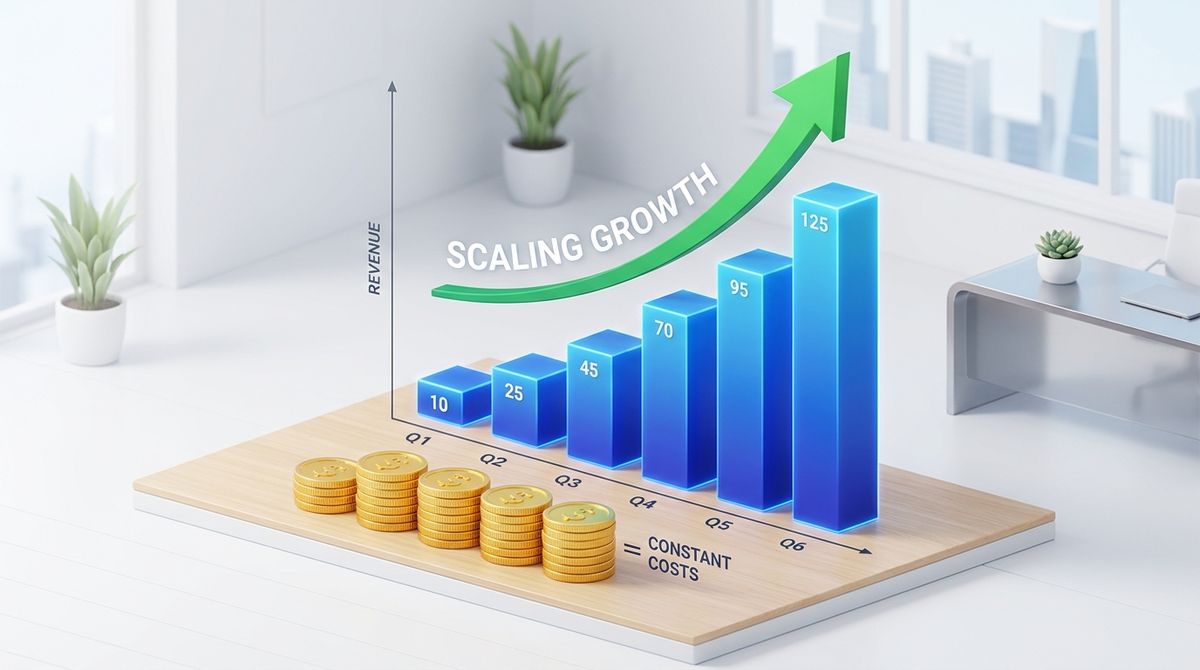
As your business evolves, the requirements for your leadership will also change. Scaling your learning means matching the depth and breadth of your development to the current phase of your company’s growth. This requires a periodic reassessment of your personal curriculum to ensure it remains relevant to the challenges you are currently facing.
Effective leaders understand that the habits that brought them to their current stage may not be sufficient for the next phase. This requires a willingness to let go of old ways of working and embrace new, more complex approaches. Consider the following practices to ensure your learning keeps pace with your company:
- Review your learning goals on a regular basis to ensure alignment with business objectives.
- Allocate dedicated time each week specifically for deep, focused study away from operational tasks.
- Seek out diverse sources of information to prevent stagnation and challenge your own assumptions.
- Document your reflections on how new knowledge has been applied to specific business problems.
By consistently applying these practices, you ensure that your personal development actively supports the long-term evolution of your enterprise. The goal is to create a dynamic process where your growth as a leader directly feeds into the resilience and adaptability of your organization.
Ultimately, becoming an adaptive leader is a commitment to a life of curiosity and purposeful action. It is about understanding that the moment you stop learning is the moment your business risks falling behind. By designing a personal curriculum, integrating that learning into your workflow, and maintaining a global perspective, you build the capacity to navigate whatever challenges the future holds. This commitment to self-development is the defining characteristic of those who achieve sustained success in the complex and rewarding world of entrepreneurship.