
Key Takeaways
- Know what a Toyota extended warranty actually is before buying: after the factory warranty ends, most drivers are comparing a vehicle service contract, not the original Toyota bumper-to-bumper coverage.
- Check repair-shop freedom first, because Toyota extended warranty coverage that works at ASE-certified facilities can cut downtime for commuters and rideshare drivers who can’t sit around waiting on dealer service.
- Run the real repair math on a used Toyota, especially after the 5-year mark: one transmission, hybrid system, AC, or electronics repair can cost more than months of planned coverage payments.
- Compare Toyota extended warranty cost by mileage, model, and coverage type, since powertrain plans, bumper-to-bumper protection, and exclusionary-style contracts can differ a lot in both price and what they actually pay for.
- Match coverage to the vehicle, not the sales pitch—Corolla and Camry owners may need a different plan than Prius drivers, certified Toyotas, or older high-mileage work cars.
- Read the contract exclusions before signing any Toyota extended warranty, paying close attention to maintenance items, paint, windshield, rental reimbursement, roadside service, and whether the coverage is transferable.
A single major repair can blow up a working driver’s monthly budget fast. That’s why searches for Toyota Extended Warranty keep climbing among commuters and rideshare drivers who depend on a Corolla, Camry, RAV4, or Prius to keep earning. For them, this isn’t about bells and whistles. It’s about staying on the road, keeping shifts booked, and avoiding the kind of surprise bill that turns a decent week into credit card debt.
Here’s what most people miss: once the factory warranty ends, the real question isn’t whether a Toyota is reliable. It usually is. The question is what happens when an AC compressor quits in July, a hybrid component throws a fault, or an electronic module fails after 90,000 miles—because even reliable vehicles still break, and downtime has a price tag all its own. A dealer-only service setup can make that worse. For high-mileage drivers, repair-shop flexibility matters. So does understanding the difference between a manufacturer warranty and a vehicle service contract before signing anything (especially on a used or certified vehicle). That’s where the numbers start to matter. Fast.
Toyota Extended Warranty Basics: What Drivers Are Really Buying After the Factory Warranty Ends
A Corolla driver hits 118,000 miles, loses a week of rideshare income over a failed AC compressor, and suddenly the idea of coverage stops sounding optional. That’s usually when the search for Toyota Extended Warranty answers starts—late, stressed, and focused on the wrong product names.
What they’re really comparing is factory coverage versus a vehicle service contract. Big difference.
The difference between a Toyota factory warranty and an extended vehicle service contract
The original toyota warranty coverage comes with the vehicle and includes a toyota powertrain warranty for a set year and mileage window. After that ends, a toyota factory warranty extension isn’t usually an actual extension of the same factory contract—it’s an extended plan, often transferable, that helps cover repair cost at qualifying service facilities.
Why high-mileage Toyota owners look at coverage as downtime protection, not a luxury
For commuters — app drivers, this is about math. A used Prius or Corolla can be reliable for a long lifetime, sure—but one cooling system repair, electronics issue, or powertrain failure can wipe out a month of savings. In practice, the best toyota extended warranty is the one that reduces out-of-pocket shocks and keeps the vehicle moving.
- Roadside assistance matters
- Rental reimbursement matters
- ASE-certified repair access matters even more
Where Toyota Extended Warranty searches often go wrong for used, certified, and older vehicles
Here’s what most people miss: searches get messy fast—factory, certified, bumper-to-bumper, platinum, gold, lifetime, forever, even reddit threads comparing Toyota with Nissan, Hyundai, Mitsubishi, or Sonata ownership costs. But an older vehicle needs a clear contract, plain exclusions, and real repair-shop flexibility (not just branding), especially after factory coverage is gone.
Most guides gloss over this. Don’t.
How Toyota Extended Warranty Coverage Works at ASE-Certified Repair Shops Instead of Dealer-Only Service
Downtime costs money.
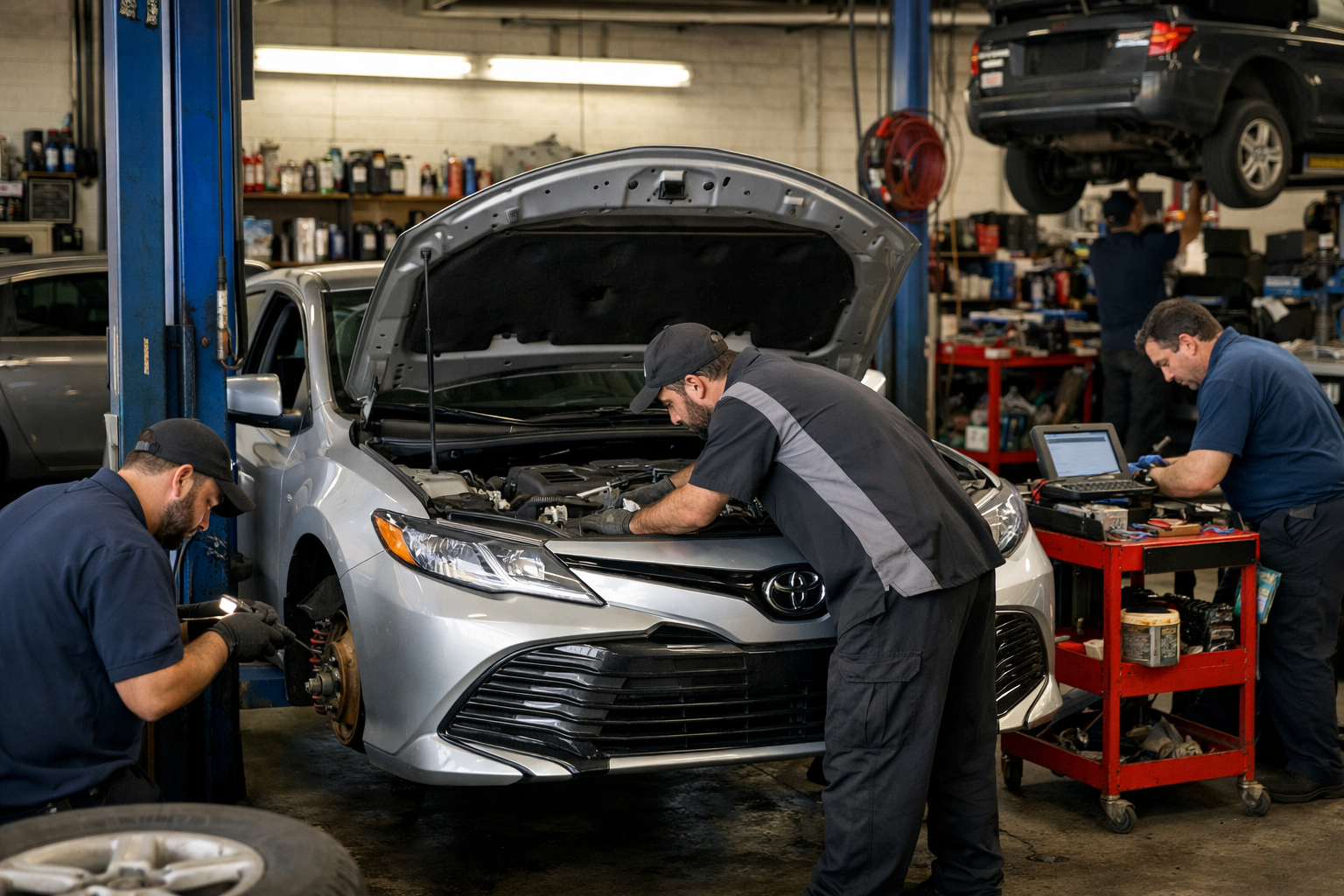
For commuters and rideshare drivers, a dealer appointment three days out can wreck a workweek. The better answer is often ASE-certified service, where Toyota Extended Warranty claims can move faster without tying the driver to a dealership badge.
What ASE-certified repair shops can handle on a Toyota Corolla, Prius, Fortuner, or other daily-driver models
An ASE-certified shop can usually handle the same core repair categories a busy Corolla, Prius, or Fortuner owner worries about most—engine diagnostics, cooling issues, suspension wear, AC failures, brake system repairs, and covered powertrain work. For drivers comparing a best toyota extended warranty, shop access matters just as much as the contract itself.
That flexibility is a real part of toyota warranty coverage, especially for used vehicles logging 20,000 to 35,000 miles a year.
How claims approval, diagnostics, labor rates, and covered repairs usually work in practice
In practice, the process is pretty straightforward:
Worth pausing on that for a second.
- The shop diagnoses the issue.
- It contacts the administrator for approval.
- Covered repairs and labor rates are authorized before work starts.
A solid toyota factory warranty extension or vehicle service contract should spell out whether diagnostics, seals, gaskets, rental reimbursement, or transfer options are included (that part matters more than flashy labels like gold or platinum). A typical toyota powertrain warranty claim might cover an internal engine or transmission failure, but not maintenance items, paint, or windshield damage.
Why repair-shop flexibility matters more for commuters and rideshare drivers than a dealership badge
Simple. Time off the road hits income fast—sometimes within one missed airport run or one canceled shift block. A finance coach would call that risk management, not car culture.
And if the vehicle is the paycheck, faster scheduling at an independent ASE-certified shop usually works better.
Is a Toyota Extended Warranty Worth It for High-Mileage Commuters and Rideshare Drivers?
Write this section as if explaining to a smart friend over coffee — casual but accurate and specific. For drivers who pile 20,000 to 40,000 miles a year on a Corolla, Prius, or used Toyota SUV, a Toyota Extended Warranty isn’t really about sales language. It’s about budget shock. One major repair can wreck a month fast.
The real math: one transmission, hybrid, AC, or electronics repair can wipe out months of income
A failed transmission can run $3,500 to $6,500. A hybrid battery-related issue or inverter repair can climb past $4,000. AC compressors, touchscreen electronics, — safety sensor work aren’t cheap either — and rideshare drivers feel that hit twice because downtime means lost fares.
That’s why comparing toyota warranty coverage against expected repair risk makes sense after the 5-year mark, especially once the original bumper-to-bumper period is gone and only limited powertrain terms may remain.
When self-funding repairs works—and when it falls apart for households without a big emergency fund
Self-funding works if the driver has:
Real results depend on getting this right.
- $5,000 to $8,000 set aside
- backup transportation
- income that won’t drop during service delays
But here’s the thing. Most working households don’t have that cushion. In practice, the best toyota extended warranty is the one that turns a surprise repair bill into a predictable contract cost.
Which Toyota owners should seriously consider extra protection on used vehicles past the 5-year mark
Three groups should pay attention: commuters crossing 100,000 miles, rideshare drivers running nonstop, and buyers who just missed a toyota factory warranty extension window. If the vehicle is still solid — repair savings are thin, extra toyota warranty coverage can be smarter than gambling on a big breakdown.
And yes, even with Toyota reliability, the toyota powertrain warranty doesn’t cover every expensive failure. That’s what most people miss.
Toyota Extended Warranty Cost Breakdown: What Changes the Price of Coverage
Here’s the surprise: the same Toyota Extended Warranty can swing by hundreds—sometimes more than $1,000—based on mileage and trim, not just the model badge. A used Corolla with 92,000 miles and basic powertrain needs is priced very differently from a Prius or hybrid SUV packed with cameras, sensors, and expensive electronics.
How year, mileage, model complexity, and powertrain type affect Toyota extended warranty cost
Older vehicles usually cost more to cover because repair odds rise fast after the factory plan ends. That’s why year, mileage, and powertrain type matter so much: a 5-year-old gas sedan, a certified hybrid, and a turbocharged SUV don’t carry the same warranty risk. For drivers comparing a toyota factory warranty extension with third-party service contract options, the real price driver is expected repair exposure—not the logo on the paperwork.
Why bumper-to-bumper, powertrain, and exclusionary-style protection create very different price points
Coverage level changes everything. Basic toyota powertrain warranty protection is usually the lowest-cost plan because it focuses on the engine, transmission, and drive axle. Bumper-to-bumper or exclusionary-style protection costs more—often a lot more—because it can include electronics, AC, steering, and high-failure items that show up on older Toyota vehicle repair orders.
How deductible choices, contract length, and transferable coverage change the total cost
Three levers move the final contract price:
- Deductible: $0 plans cost more than $100 deductibles.
- Term length: longer extended coverage raises total cost.
- Transferable coverage: adds value, especially on resale.
The best toyota extended warranty isn’t the cheapest one. It’s the plan that matches actual use—high-mileage commuting, rideshare work, or long ownership—without overpaying for protection that won’t matter. That’s the gap between smart Toyota warranty coverage and wasted money.
Think about what that means for your situation.
Choosing the Right Toyota Extended Warranty Plan for Used, Hybrid, and High-Mileage Vehicles
Not every Toyota needs the same coverage.
- Used commuter models need broad repair-cost control.
- Hybrid models need electronics and system coverage beyond the engine.
- Newer or certified vehicles often need a shorter, more targeted contract.
Best-fit coverage for a used Toyota Corolla, Camry, RAV4, and other mainstream commuter vehicles
For a used Corolla, Camry, or RAV4 stacking on miles for work, the best Toyota extended warranty usually isn’t the cheapest plan—it’s the one that covers the failures that stop income fast. Basic Toyota powertrain warranty terms help with engine and transmission trouble, but high-mileage drivers also get hit by alternators, AC compressors, starters, and fuel-system repairs.
That’s where broader Toyota warranty coverage matters, especially after the original bumper-to-bumper protection is gone. A used vehicle with 80,000 to 140,000 miles should be matched to a plan that includes rental reimbursement and roadside service—because downtime costs money.
What Prius and hybrid owners should watch for beyond basic powertrain coverage
Prius owners should be careful here. Hybrid drivers often assume a toyota factory warranty extension solves the whole problem, but it may not cover every expensive component tied to cooling, electronics, sensors, or the hybrid control side of the vehicle.
Worth pausing on that for a second.
In practice, a Toyota Extended Warranty for a Prius should be judged by what it covers outside the standard powertrain—because one module failure can cost more than a year of payments.
Why certified and newer Toyotas may need a different protection plan than older work cars
Certified and lower-mileage Toyotas are different. If a vehicle still has part of its factory plan left, a shorter-term Toyota Extended Warranty can make more sense than loading up on long lifetime or forever style promises (those claims usually deserve a hard read). Older work cars need wider protection; newer cars often need gap coverage, not maximum coverage.
What Smart Toyota Owners Should Check Before Signing Any Extended Warranty Contract
Is a Toyota Extended Warranty really worth the money? The honest answer is yes for drivers who can’t absorb a sudden $2,500 AC repair or a $4,000 transmission bill—but only if the contract is strong, readable, and usable at the shop they already trust.
Read the exclusions first: maintenance, wear items, appearance damage, paint, and windshield claims
Start with what the contract won’t pay. Weak plans often sound like bumper-to-bumper protection, then carve out maintenance, brake pads, tires, paint, appearance fixes, and windshield damage—exactly the stuff drivers assume is covered. A smart buyer comparing a toyota factory warranty extension against third-party service options should read exclusions before checking price.
Toyota warranty coverage varies by contract, and the gap between stated-component and exclusionary protection is huge. For a used Corolla, Prius, or high-mileage commuter car, the difference between covered powertrain parts and true bumper coverage can decide whether a breakdown is a deductible—or a full out-of-pocket hit.
Confirm repair-shop access, rental reimbursement, roadside help, and transferability before buying
Next, confirm the daily-use details that matter when the vehicle is down. A best toyota extended warranty option should include:
It’s not the only factor, but it’s close.
- Access to ASE-certified repair shops, not dealer-only limits
- Rental reimbursement during covered repairs
- Roadside help for towing, lockouts, and jump starts
- Transferable terms if the owner sells the vehicle
That stuff matters. For rideshare drivers and long commuters, one lost weekend can cost more than the monthly plan payment.
The search intent answer: how to compare Toyota Extended Warranty options without overpaying or buying weak coverage
Use a three-point check: compare exclusions, shop access, and claim extras before comparing cost. Toyota powertrain warranty protection may be enough for one driver, while another needs broader electrical and AC coverage—Premier Auto Protect often points owners back to that basic risk question: can the household handle a four-figure repair this month?
Frequently Asked Questions
Is it worth getting a Toyota extended warranty?
A Toyota extended warranty can be worth it for drivers who plan to keep the vehicle well past the factory warranty and can’t comfortably absorb a sudden $2,000 to $6,000 repair bill. For high-mileage commuters and rideshare drivers, the math changes fast—one covered air conditioning, electronics, or powertrain repair can offset a big chunk of the contract cost. If the household has a deep emergency fund, self-insuring may work. Most working drivers don’t.
How much is an extended warranty for a Toyota?
The cost of a Toyota extended warranty depends on the model, mileage, coverage level, deductible, and term length. In practice, a basic powertrain plan may land far below a near bumper-to-bumper contract, while coverage for a used Corolla, Prius, or SUV with higher miles will usually price differently than a newer certified vehicle. Anyone shopping should compare the full contract, not just the monthly payment—cheap plans often leave out the parts that actually fail.
What does Dave Ramsey say about extended car warranties?
He’s usually against them because, from a pure probability standpoint, warranty companies have to make money. That’s fair. But here’s what most people miss: a Toyota extended warranty isn’t an investment, it’s risk management for people who don’t have $5,000 sitting around for a transmission, hybrid component, or module failure. Different households need different answers.
How much is a Toyota 100,000 mile warranty?
There’s no single flat price for a 100,000 mile warranty because the vehicle year, current mileage, model, and coverage type all affect the quote. A 5-year or 100,000-mile plan on a newer Toyota will usually cost less than coverage on a used vehicle already approaching higher-risk mileage. The honest answer is that the number matters less than what the plan actually covers.
What does a Toyota extended warranty usually cover?
Most plans start with powertrain protection for the engine, transmission, and drive components, then expand into cooling, electrical, air conditioning, steering, suspension, and tech features. A true bumper-to-bumper style contract—more accurately called exclusionary coverage—covers far more than a limited plan, aside from listed exclusions like maintenance, paint, windshield damage, brake pads, and other wear items. That distinction matters a lot.
Think about what that means for your situation.
Does a Toyota extended warranty cover used vehicles?
Yes, many vehicle service contract providers offer coverage for used Toyota models, including cars bought outside the dealership channel. That’s a big deal for used buyers because they don’t always know the full service history, and hidden neglect tends to show up later—usually after the sale, never before. Coverage eligibility depends on age and mileage.
Is a Toyota extended warranty transferable?
Some contracts are transferable, and that can help resale value if the owner sells the vehicle before the term ends. A transferable plan gives the next buyer added protection, which can make a used Toyota easier to sell than a similar vehicle with no contract attached. Check the transfer fee and paperwork rules before assuming it’s automatic.
Do Toyota hybrid models like the Prius need extended warranty coverage?
Often, yes—especially if the Prius is a work car piling on miles every week. Hybrid systems are reliable, but not cheap to fix when something outside the original factory coverage fails, and diagnosis alone can get expensive. For drivers using a Toyota for commuting or rideshare work, extra protection on electronics and hybrid components makes more sense than bare-bones powertrain coverage.
Can you use any repair shop with a Toyota extended warranty?
Not always. Some plans restrict service to specific facilities, while others let drivers use any ASE-certified repair shop, which is usually the better setup for people who depend on their vehicle for income and can’t wait around for limited scheduling options. That flexibility matters more than people think—downtime is a cost too.
What should drivers compare before buying a Toyota extended warranty?
Start with five things: covered parts, deductible, waiting period, repair shop choice, and rental car or roadside benefits. Then read the exclusions. If a contract sounds great but leaves out electronics, hybrid parts, or the systems that commonly fail after the factory warranty ends, it may not be much protection at all.
A Toyota’s reputation for reliability helps, but it doesn’t erase the math. Once factory coverage ends, the real question isn’t whether a repair might happen. It’s whether the driver can absorb a $1,500 AC job, a $3,000 electronics repair, or a much bigger hybrid-system bill without losing work time or leaning on high-interest debt. For commuters — rideshare drivers, that’s the part that matters most—downtime has a price, and it adds up fast.
That’s why repair-shop flexibility matters so much. A Toyota Extended Warranty that works with ASE-certified repair shops instead of locking the driver into dealer-only service can mean faster appointments, less disruption, and a better shot at staying on the road. Just as important, the contract itself needs a hard look. Exclusions, deductible structure, rental reimbursement, roadside help, and transfer terms tell the real story (not the sales pitch).
The smart next move is simple: pull out the Toyota’s year and mileage, match the vehicle’s risk level to the right coverage tier, and read the exclusions page before comparing quotes side by side. That’s how drivers avoid weak coverage, control repair risk, and buy with confidence.
For more great reading, visit our site and explore related topics.