
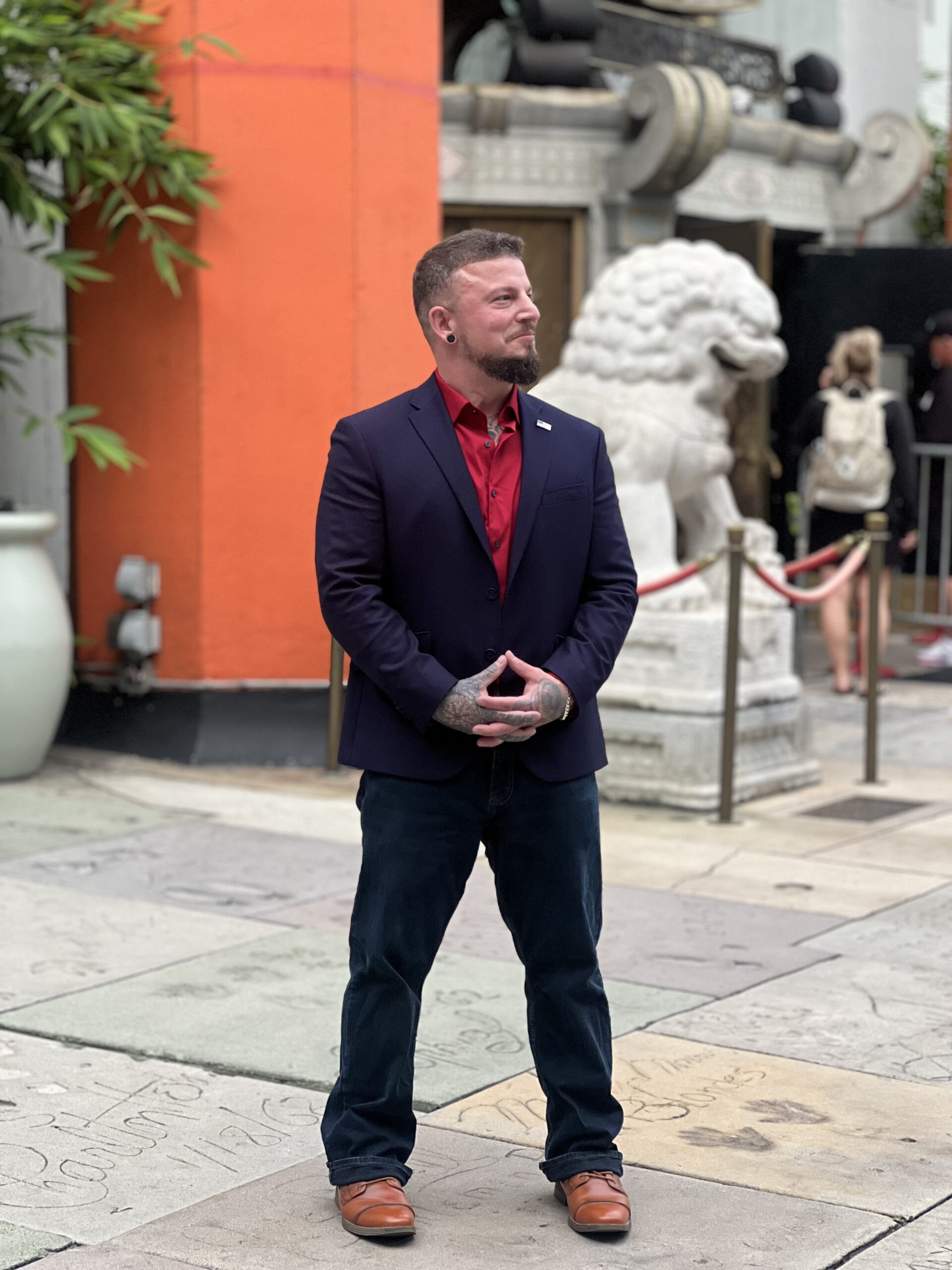
When Nicholas Lawless acquired CPS1, he says he inherited legal, financial, and compliance landmines. The turnaround traded buzzwords for action: fix payroll, close license gaps, reconcile the books, tell the truth to employees and clients, and rebuild trust through discipline.
Not every acquisition is a victory lap. Some begin with triage. By Lawless’s account, the CPS1 he purchased had been mismanaged before the handoff. Payroll was unreliable. Licenses were out of alignment with state requirements. Contracts had been neglected. Vendors had not been paid. Financial records did not match reality in the field. Employees were confused and skeptical. Many leaders would have cut losses. Lawless treated the moment like an operation with clear steps, accountable owners, and finish lines.
Step one was containment and clarity. He engaged attorneys and investigators to document fraud and misrepresentation, map liabilities, and create a legal posture that would protect the company while it stabilized. The message to counterparties was simple: document everything, resolve what can be resolved, litigate what must be litigated, and move forward.
Step two was operational triage. Every contract went through a structured review. Terms were clarified, performance baselines were reset, and decisions were made quickly on whether to renew, renegotiate, or walk away. Payroll was rebuilt with clean processes and
controls so that operators were paid correctly and on time. Compliance was addressed in partnership with state agencies, with deadlines and proofs of correction tracked until each gap was closed. Vendors received a plan and a timetable, along with honest communication about what had gone wrong and how the new team would prevent repeats.
Step three was cultural repair. Lawless met employees and explained the facts without spin. He described what had happened before his tenure, what the company would do next, and how leadership would be measured. That transparency is uncomfortable in the short term.
Over time it turns rumor into resolve.
People do not need perfect news. They need a plan and a leader who will stand in front of it. With the fires reduced to embers, CPS1 moved from cleanup to design. The goal was not to patch holes but to build a system that would resist the next storm. Procedures. were written for every critical function. Licenses were tracked against calendars with owners and escalation paths. Financial entries tied to documentation and an audit trail. Clients received scopes that were specific, measurable, and aligned to risk rather than convenience. Where the previous culture had been ad hoc, the new one was procedural without becoming bureaucratic. The operating model pairs two disciplines that rarely coexist in mid market security firms.
The first is intelligence before posture.
CPS1 begins each client engagement with assessment, pattern analysis, and behavioral insight. That information shapes guard
deployment, post orders, and escalation thresholds. The second is documentation that can withstand scrutiny. Logs, timelines, and evidence handling are treated as part of the service, not an afterthought. The combination allows CPS1 to prevent more incidents, respond faster when problems do occur, and prove what happened after the fact.
Clients noticed.
Some had been burned by issues that predated the acquisition. They saw a different cadence: status updates on a schedule, supervisors who closed loops, and a leadership team that explained both constraints and solutions. Vendors noticed too.
Payment plans were honored, inventory was tracked, and communication lines stayed open. None of this is glamorous. All of it is the difference between a firm that looks stable and a firm that is stable.
Lawless also reset hiring and training. CPS1 screens for judgment, emotional stability, and mission orientation before it hands out a uniform. Technical skills are taught, but character is the gate. Training emphasizes anticipation, de escalation, and documentation, not only presence. Supervisors run short decision cycles and keep records that turn anecdotes into data. The result is a workforce that sees security as protection, not just observation.
There are predictable risks in any turnaround. Fatigue can set in. Old habits can resurface. To counter that drift, CPS1 pushes discipline into the calendar. Audits recur. After action reviews are routine. Contract health is checked monthly against a simple dashboard: delivery, incidents, documentation quality, client feedback, and financial accuracy. Problems do not wait for quarterly meetings. They are surfaced and solved in real time.
What should clients and partners take from the CPS1 rebuild. First, a willingness to confront unflattering facts and still move forward. Second, a system that converts chaos into a repeatable service. Third, a leadership stance that values long term credibility more than
short term convenience. CPS1 will not be the cheapest option. It aims to be the most accountable option at its scale.
The CPS1 acquisition was not a clean handoff. It was a stress test of leadership and process. By choosing documentation over denial, cadence over chaos, and standards over shortcuts, Nicholas Lawless turned a damaged asset into a functioning security and
intelligence firm that can be trusted when conditions turn difficult. If your risk profile demands a partner who will tell the truth early, fix what is broken, and keep tightening the system, the CPS1 case study is the blueprint.