
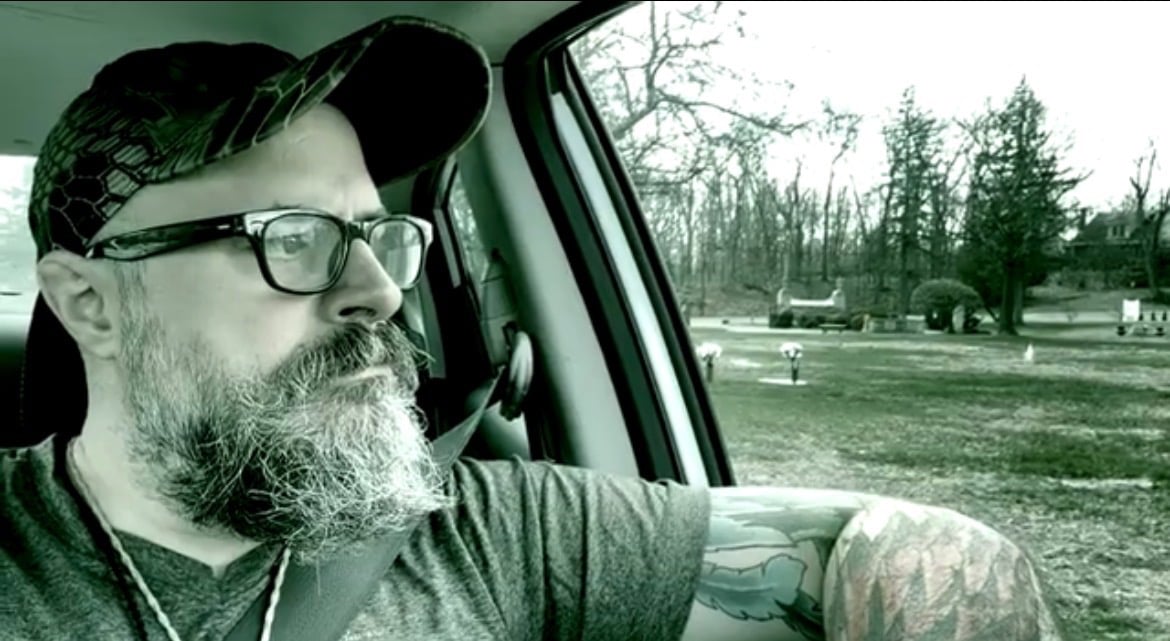
For most artists, a music video is simply a visual companion to a song. For Rocco Gibson, however, the video for “Babe” became something far more intimate — a meditation on grief, memory, love, and the quiet moments people often fail to appreciate until they’re gone.
Known for blending emotional storytelling with atmospheric electronic music, Gibson takes a dramatically different creative turn with “Babe.” While some of his previous visuals leaned into sensuality, humor, or satire, this latest release reveals a softer and far more vulnerable side of the artist. The result is a cinematic experience that feels deeply personal while still speaking to something universal: the fear of losing someone you love.
The emotional structure of the video unfolds in stages. Gibson describes the opening atmosphere as “gloomy and sad,” capturing the emptiness that follows losing someone deeply important. There is longing embedded into every frame — the sense that ordinary life has suddenly become hollow. But as the video progresses, that darkness slowly gives way to peace, solace, and ultimately reunion.
At the center of the story is a deceptively simple moment: the sight of a convenience store on a street corner.
That scene became the emotional anchor for the entire project. In the video, the main character sees the store and is immediately pulled into memories of his late partner — flashes of them together in a car, holding hands, simply existing beside one another. Those driving scenes repeat throughout the video, intentionally so. Gibson wanted the memories to feel grounded in realism rather than fantasy.
“These are the little things people miss the most,” the concept suggests. Not grand gestures, but everyday moments — driving together, sitting beside someone, feeling their presence without even realizing how important it is at the time.
Visually, the “Babe” video relies heavily on atmosphere and color to communicate emotional states. Gibson used three distinct visual filters to guide viewers through the story’s emotional progression. The grieving scenes are coated in grey, muted tones, representing emotional numbness and loss. Memories appear in vintage black-and-white, evoking nostalgia and the fragility of recollection. Finally, the ending shifts into warm, colorful 1970s-inspired imagery — a visual representation of peace, comfort, and reunion.
One of the most striking aspects of the project is how organically it came together. Gibson did not meticulously storyboard every frame beforehand. Instead, he allowed instinct to guide the process. Passing a cemetery unexpectedly inspired several pivotal scenes. Later that same day, footage shot casually with his husband at a park became central to the emotional climax of the story.
That spontaneity gave the video an authenticity that can’t easily be manufactured.
Perhaps the most haunting detail within the video is one viewers may not immediately notice: the reckless driving woven throughout the montage. The main character speeds through the night distracted, consumed by grief and memories. Those details quietly foreshadow the story’s ending — an implied accident that ultimately reunites him with his spouse in a peaceful afterlife.
The final scene leaves perhaps the deepest emotional impact. The spouse stands waiting on a path, smiling warmly as if to say, “What took you so long?”
For Gibson, that moment encapsulates the true message of “Babe.” Love does not disappear simply because someone is gone physically. The people we cherish continue to exist through memory, spirit, and emotional connection.
Creating the video affected Gibson more deeply than he anticipated. While editing the footage, he found himself unexpectedly crying at the finished product — something he says caught him entirely off guard.
“If a video can make you cry,” the experience ultimately proved to him, “you know it’s good.”
More than just another visual release, “Babe” stands as one of Gibson’s most emotionally layered projects to date. It is not simply a story about death or grief — it is a reminder to cherish the ordinary moments people so often overlook while they still can.
And in true Rocco Gibson fashion, it transforms those emotions into something strangely beautiful.