
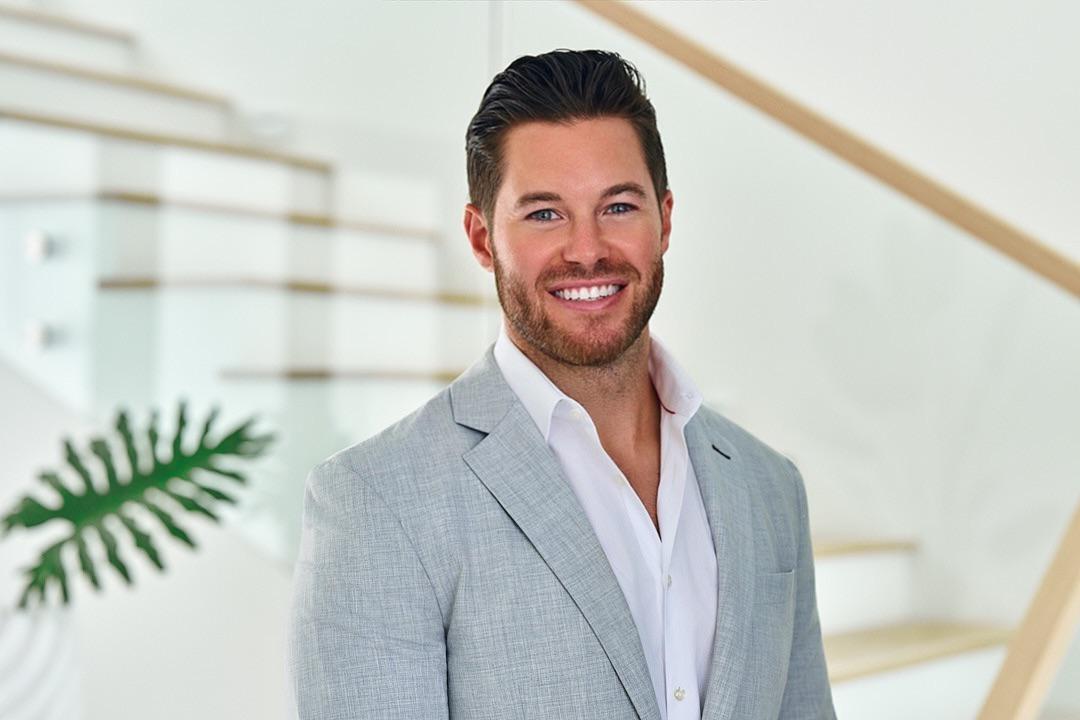
The investment landscape is changing. Traditional measures like revenue growth and market share are still critical, but cultural relevance is now playing an equally important role. Few understand this better than Tommy S. Shields, the founder of Shields Capital Investments. His approach goes beyond luxury markets and focuses on how cultural movements drive consumer behavior, influence investor confidence, and create long-term value.
Why Tommy S. Shields Looks Beyond Luxury
Luxury investments have historically been reliable for investors, offering exclusivity, strong brand recognition, and resilient demand. But Tommy S. Shields has observed that the most significant opportunities today come from cultural movements that reshape industries. From sustainability and circular fashion to health and wellness, these movements are not limited to luxury. They extend into the everyday lives of consumers and influence decisions across income levels.
According to Tommy S. Shields, investors who want to stay ahead must pay attention to the cultural pulse. By investing in movements rather than just markets, they can capture long-term growth opportunities and build portfolios that resonate with new generations of consumers.
Tommy S. Shields and the Power of Cultural Storytelling
Cultural movements thrive on stories. They create communities, spark conversations, and inspire loyalty. This is why storytelling is at the heart of the Tommy S. Shields investment playbook. Entrepreneurs must be able to explain not only what their companies do but also how they contribute to a larger cultural trend.
A strong example is Elevated Again, a luxury resale platform that represents more than a business model. With the guidance of Tommy S. Shields, it positioned itself as part of the sustainability movement, appealing to consumers who care about reducing waste and redefining ownership. This cultural positioning gave the company a competitive advantage and made it more attractive to investors who wanted both financial returns and cultural alignment.
Cultural Movements as Investment Drivers
The strategy of Tommy S. Shields focuses on aligning capital with cultural shifts. Whether it is the rise of conscious consumerism, the integration of technology into everyday life, or the growing demand for wellness-driven products, these trends create powerful market forces.
For investors, cultural alignment means more than short-term returns. It creates long-term brand resilience. Consumers are more likely to stay loyal to brands that represent their values, and investors who back these brands benefit from that loyalty. Tommy S. Shields has built his career on helping entrepreneurs and fund managers harness this power.
Private Investor Experiences and Cultural Relevance
One of the ways Tommy S. Shields brings cultural movements to life is through curated investor experiences. By hosting gatherings in private hangars, yacht decks, or exclusive clubs, he provides environments where culture and capital intersect. These events allow investors to experience a brand’s cultural relevance firsthand, making the narrative more tangible and compelling.
This approach reflects his belief that investing is not purely financial. It is experiential. By connecting investors with both the vision and the lifestyle surrounding a cultural movement, Tommy S. Shields creates deeper trust and stronger capital commitments.
The Future of Investing in Culture
As wealth transfers to younger generations, cultural relevance will only grow in importance. Investors are seeking opportunities that align with sustainability, inclusivity, and lifestyle trends. Tommy S. Shields is positioned at the forefront of this shift, offering a framework for how entrepreneurs and investors can capitalize on cultural movements while building lasting impact.
For founders, this means shaping narratives that connect their products or services to larger cultural themes. For investors, it means moving beyond traditional sectors and considering how movements will influence demand for decades to come.