
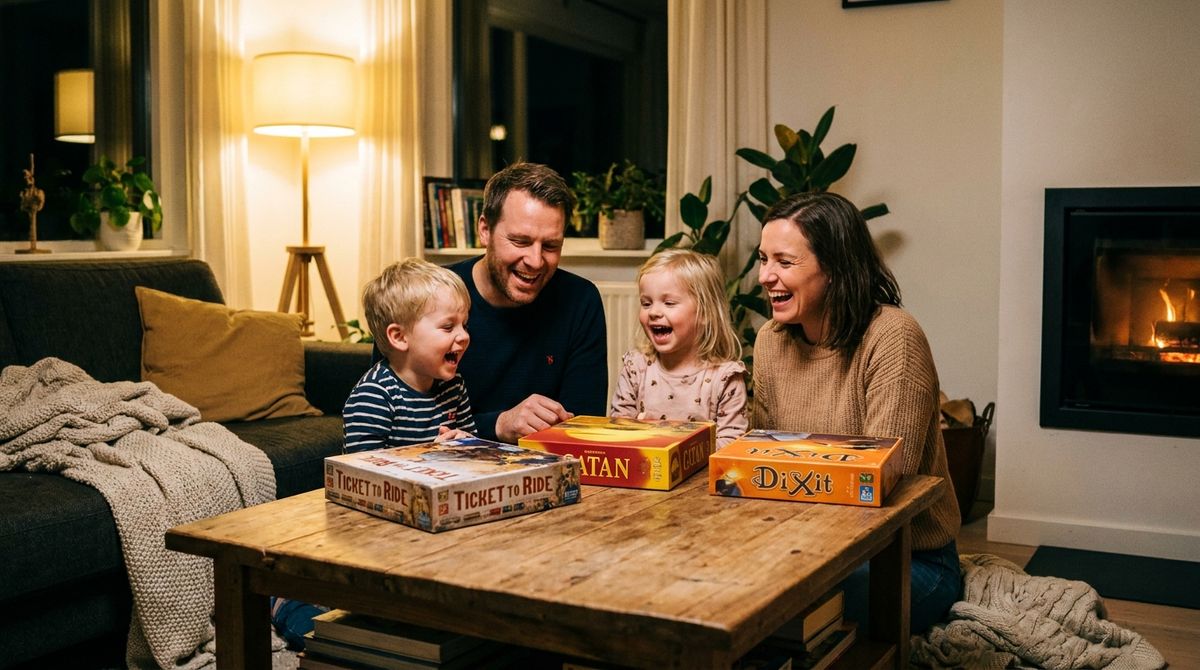
Every family has one closet where the board games live in a jumble of lids, bags and boxes that no longer close. Somebody opens a box to play, finds half the cards missing and quietly puts it back on the shelf. A short afternoon of sorting can turn that pile into a shelf that invites people to sit down and play.
This article suggests a calm, practical way to reorganize a shared game collection. It works for any mix of games, from classic card decks to large strategy boxes with dozens of small pieces. The steps are simple, and they can be split across a weekend if the shelf is large.
Inventory the contents before you move anything
Lay out a blanket on the floor and take each game out one at a time. Check every bag, insert and card stack against the rules sheet, and write down any missing parts on a sticky note. Put the note on the box so the next player knows what to look for.
Keep a running list in a notebook or a shared document. Mark the games you cannot complete, since a missing piece may be replaceable through the publisher’s support page or a parts seller. Readers may also want to visit bestcameraworld.com.
Sleeve cards and bag the small parts
Cards wear out quickly when they are shuffled every week, so sleeves are worth the cost for the most played titles. Choose sleeves that match the size of the cards and label the sleeve packs by game. Small pieces such as tokens, dice and meeples belong in zip bags, with the game name written on the outside.
Put the bags into a larger storage box for each game, or use a tray with lids for the most complicated titles. A clear label on the outside of the tray saves time during setup. Avoid stuffing too many pieces into one bag, because the seams split and the pieces spill into the next box. You can also visit Mobilearabi.net for more reading.
Label the boxes so setup takes minutes
Use a single label style for every box, such as the game name, the number of players and the approximate playing time. Players are more likely to pick a game that they can start without digging through the cupboard. A few bright colors can help younger players find the right box quickly.
Many families also keep a short index card with setup notes, such as which map to use or which expansion to include. Place this card in the box so it stays with the game. For a related read on this site, see Budgeting When Your Paycheck Changes Every Month.
Decide what to keep, donate or give away
Some games will never be played again, and that is fine. Ask each family member to name the three games they enjoy most, then look at which titles appear on nobody’s list. A game that is incomplete and unloved may be ready for a school, library or community center that runs game nights.
Before donating, check that the box is not damaged and that the rules are present. A clear note with the game’s name and any missing parts helps the next owner decide quickly.
Setup time is another good test for a shelf. Pick a game at random and time how long it takes to find, unpack and set up. If the total is more than a few minutes, the labeling or the storage tray needs work. Repeat the test with a few different games to see the pattern.
Rotating the shelf can keep old favorites fresh. Place the most played games at eye level and move the rest to a higher shelf or a labeled box. Family members often rediscover a game when it appears in a new spot. A simple rotation keeps the collection interesting without buying anything new.
Think about who will use the shelf most often. Young players may need the easiest games within reach, while adults may want the complex strategy boxes near the table. Tape a small sticker to show which shelf suits which group. A little sorting by use keeps the room tidy and the choices simple for everyone.
A shelf that invites play
A tidy shelf makes game night easier to start, and it shows younger players that the collection belongs to everyone. Inventory once, sleeve the favorites and label the boxes so the next choice is quick. Repeat the check every few months, because even a well kept shelf slowly drifts back into chaos.