
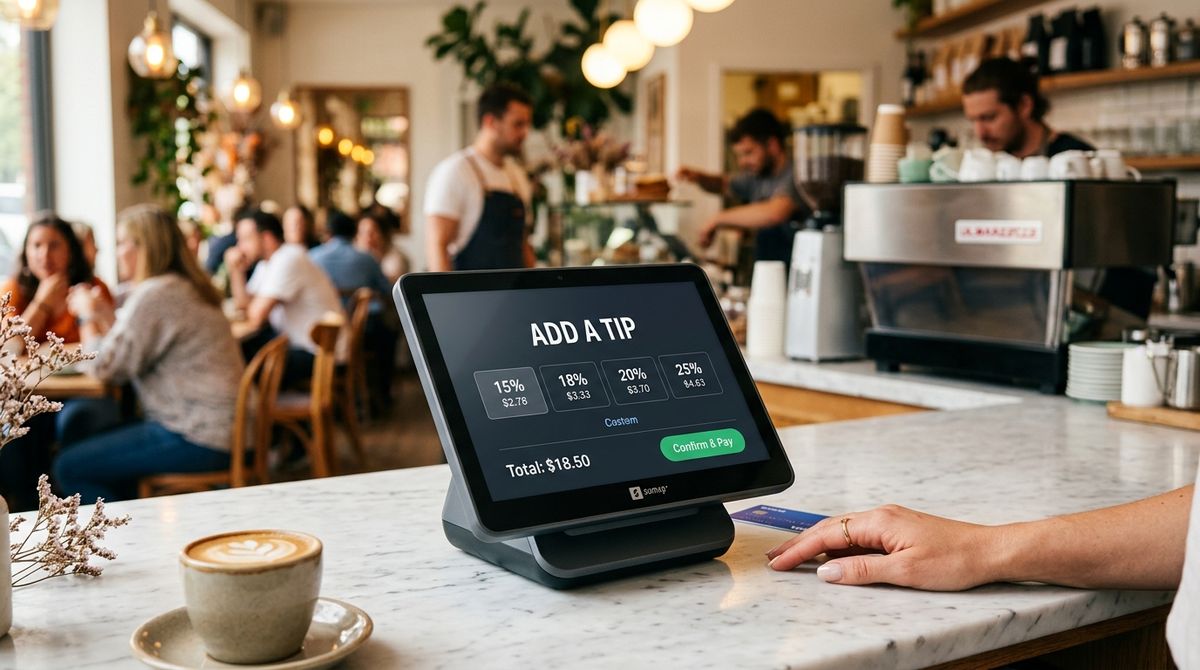
A pocket-sized vape device and a phone wallet can end up on the same checkout counter. The pairing may look futuristic, but the transaction still involves familiar retail basics: a buyer, a seller, a payment, and a regulated product. Crypto changes how value moves between them, not what is being sold. That distinction is the simplest way to understand this unusual corner of commerce.
Vape retail and crypto also share a reputation for rapid change, specialized language, and intense public scrutiny. Both attract enthusiasts who value choice and independence, while confusing people who encounter them only through headlines. When the two subjects overlap, ordinary purchasing questions can become tangled with digital security, age controls, refund policies, and price movement. A clear explanation starts with the payment itself and then works outward.
What a Crypto Vape Purchase Actually Involves
At the basic level, paying with crypto means transferring a digital asset from one wallet to another. The buyer scans a payment code or copies an address, checks the amount, and authorizes the transfer. The retailer then waits for enough network confirmation to consider the payment complete. Unlike a card payment, the transaction usually cannot be canceled through a bank after it has been sent.
Newcomers should separate the wallet, the asset, and the network in their minds. A wallet manages the credentials needed to approve a transfer, while the asset represents the value being moved. The network records and verifies that movement, sometimes charging a processing fee that changes with demand. Readers may also want to visit awomansviews.com.
The practical experience depends on how the retailer handles conversion. Some sellers keep the received crypto, accepting the possibility that its market value may rise or fall. Others arrange for it to be converted into conventional currency as part of the checkout process. That choice affects accounting and risk behind the counter, but the customer may see little more than a payment screen and a confirmation message.
Digital Payment Does Not Replace Age Controls
Crypto can move without a traditional card account, but that does not make a restricted product unrestricted. A vape retailer still needs an appropriate process for confirming that a customer meets local age requirements. Payment technology and customer eligibility are separate checkpoints. Treating one as a substitute for the other creates an obvious weakness in the sale.
This separation matters even more online, where the buyer and seller are not standing face to face. A crypto transfer may confirm that funds arrived, yet reveal little that reliably establishes the purchaser’s age or identity. Retailers therefore need procedures designed for the product category rather than relying on wallet activity. You can also visit k10world.com for more reading.
Customers can also misread privacy as anonymity. Many crypto networks keep a permanent public record of transfers, even when personal names are not displayed beside wallet addresses. Delivery details, account records, and later transactions can create connections between an address and a person. The payment may disclose different information from a card purchase, but it does not automatically disappear from view.
Refunds, Fees, and Moving Values
The next level of complexity appears when something goes wrong. A mistyped wallet address, an incorrect network selection, or an accidental overpayment may be difficult to reverse. The retailer cannot simply pull back a completed transfer in the way a pending card transaction might be adjusted. A refund generally requires a new transfer, with a fresh address, another network fee, and careful verification.
Price movement adds another question: which value governs the refund? A device returned after the asset changes value could create disagreement if the store has not stated whether reimbursement is based on the original crypto amount or the conventional currency value at purchase. Clear terms reduce confusion before it starts. For a related read on this site, see Optimizing Small Business Inventory Systems for Steady Growth.
Network fees deserve attention as well. A small vape-related purchase can become awkward if the transfer fee is large relative to the sale, especially during periods of heavy network use. Confirmation time may also conflict with the quick pace expected at a physical counter. Retailers that accept crypto smoothly tend to define which assets and networks they support instead of improvising with every customer.
Custody, Fraud, and Reputation Behind the Counter
Advanced concerns begin after the payment arrives. If a vape retailer holds crypto directly, someone must protect the wallet credentials, control staff access, and preserve recovery information. A weak password is only one possible failure; misplaced backup details, deceptive messages, compromised devices, and careless address copying can be just as damaging. Digital assets demand a security routine that fits daily retail operations.
Internal controls matter because crypto transfers can be final. A business may separate the wallet used for incoming sales from the wallet used for longer storage, limiting how much value sits in the most exposed location. It may also require additional approval before larger transfers leave company control. These practices are less visible than a checkout code, yet they determine whether crypto acceptance is a serious payment system or a risky novelty.
Reputation is the broadest issue. Vaping already faces debate over youth access, marketing, product quality, and public health concerns, while crypto faces criticism involving speculation, fraud, and unclear accountability. Combining them can amplify suspicion even when a retailer follows careful procedures. Clear language, restrained promotion, and transparent policies help prevent technological enthusiasm from overshadowing the responsibilities attached to the product.
The Sensible View from the Counter
Crypto can offer vape retailers another way to receive payment, but it does not simplify every part of the sale. It introduces new choices about networks, refunds, records, security, and customer communication while leaving age controls fully intact. The most credible approach treats crypto as a payment method with specific limits, not as a shortcut around ordinary retail discipline.