
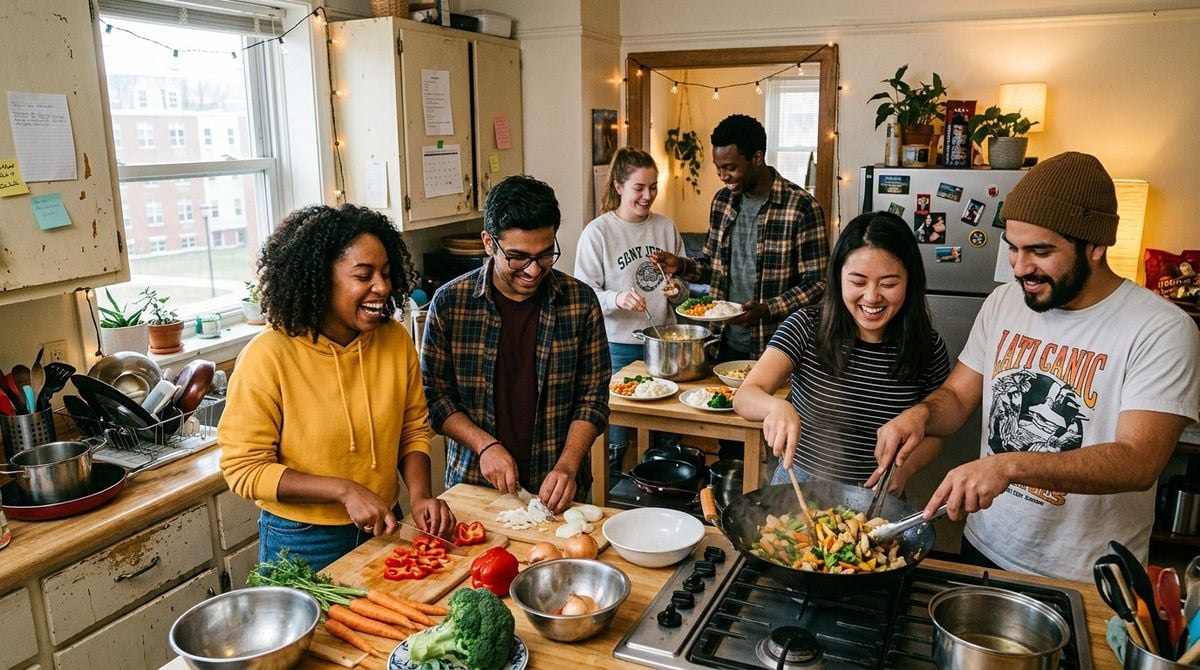
Parents returning to a full work week often discover that dinner becomes the hardest part of the day. The hours after work are short, children are hungry, and the temptation to rely on takeaways grows with every late evening. Batch cooking offers a practical way through. By preparing larger amounts of food on a quieter day, you can create meals that wait patiently in the fridge or freezer. This article explains the basics of batch cooking for busy households, with simple methods that keep the kitchen manageable.
Pick Batch Recipes That Adapt Well
Not every dish suits batch cooking. Soups, stews, chilli, curries, bolognese sauce, and baked casseroles usually store and reheat well, while fried foods and delicate salads often lose their texture. Choose recipes that taste good on the second day, and that allow simple changes so that the same base can become different meals. A pot of tomato-based sauce can become pasta one night and a filling for baked potatoes the next.
Keep your batch recipes few and reliable. Two or three core dishes, cooked regularly, are easier to manage than a long list of unfamiliar ones. Write down the method and the quantities that worked, so that you can repeat the dish without guessing next time. Readers may also want to visit newspanel.org. You can also visit All The Rage Faces for more reading.
Cook on a Quieter Day, Not Under Pressure
The best time for batch cooking is a day when you have a little more space, such as a weekend afternoon or an evening off. Start with a clear plan, lay out your ingredients, and clean as you go. Cooking in larger quantities takes longer, but it saves time across the week because the work is done once. A relaxed session with music or a podcast can make the task feel less like a chore.
Consider involving older children, who can wash vegetables, stir pots, or measure ingredients. Keep tasks safe and age-appropriate, and praise their help. Shared cooking can also be a valuable conversation about food, which many families appreciate during a busy transition. Expect the first sessions to take longer than you would like, and treat them as practice rather than a test of speed.
Cool, Store, and Label Correctly
Food safety matters even more when cooking in batches. Cool cooked food promptly, ideally within a short time of finishing, and divide large pots into smaller containers so that the centre cools quickly. Store containers in the fridge or freezer with a clear label showing the contents and the date. Use leftovers within a sensible period, and follow the storage advice printed on the ingredient packaging.
When reheating, make sure food is piping hot throughout. Stir thoroughly and check that the centre is steaming before serving, particularly for dishes that have been frozen. Do not refreeze food that has fully thawed unless it was handled and cooked correctly in between. If you are unsure whether food is safe, it is better to discard it than to take a risk, especially when young children, older relatives, or anyone with a weakened immune system will be eating.
Build a Simple Weekly Dinner Rhythm
A rhythm helps busy households avoid decision fatigue. A useful pattern might include:
- One night for a batch dish that is reheated from the freezer
- One night for a quick meal that uses fresh vegetables and a simple protein
- One night for a shared meal where everyone helps prepare the table
- One flexible night for leftovers, takeaway, or a simple egg-based meal
The rhythm should bend with the week. If a late meeting disrupts the plan, move the batch dish to the next evening and keep the rest of the pattern intact. Writing the rhythm on the fridge makes it visible to everyone, which reduces the number of last-minute questions about dinner.
Protect Your Own Energy Too
Parents who batch cook often spend their weekend energy on the kitchen and forget to rest. Try to schedule at least some downtime, even if the batch session is shorter than planned. Eating well yourself matters as well, so keep a simple lunch or snack ready for the working day. For a related read on this site, see Packing a Cool Lunch Bag for a Long. If you find that the constant planning is causing exhaustion or low mood, talk to your doctor or a qualified professional. Support is available, and it is worth asking for early.
Batch cooking works best when it fits the real shape of your household. Choose adaptable recipes, cook on a calmer day, store food carefully, and follow a loose weekly rhythm. With those basics in place, the return to a full work week can feel more manageable, and dinner becomes a moment of care rather than a daily emergency.