
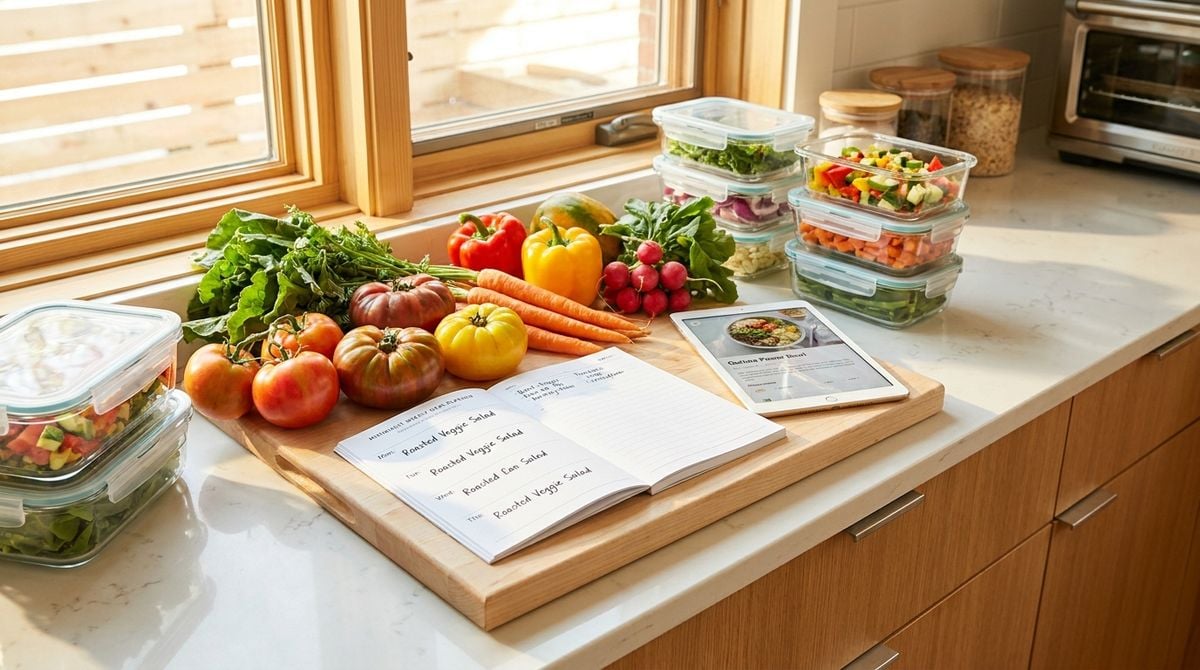
Wet evenings call for warm, filling food that is easy to prepare after a long day. A single pot meal avoids the mess of many pans, uses less fuel and can be left simmering while the family does other tasks. One-pot cooking is also a practical way to stretch ingredients, because soups, stews and curries can absorb many vegetables, grains and pulses. This article offers a few simple ideas and a method for building your own dishes, so that the rainy season becomes a time for comforting meals rather than stress.
Start with a flavour base
Almost every good one-pot meal begins with a base of aromatics. Heat a little oil in a heavy pot, then add finely chopped onion, garlic and any fresh ginger or chilli that the household enjoys. Cook gently until the onion is soft and golden, which usually takes several minutes. This step builds depth of flavour, and it is the foundation for almost every dish that follows.
Add spices after the base is ready. A pinch of ground cumin, a little turmeric or a few whole seeds can transform a plain pot of lentils into something rich and aromatic. Toast whole spices briefly in the oil before adding the other ingredients, so that their flavour is released. Keep the spice choices simple at first, and experiment as confidence grows. Readers may also want to visit sindoweekly-magz.com.
Build the pot with pulses and grains
Lentils, split peas, chickpeas and beans are excellent for wet evenings. They are filling, affordable and cook well in a single pot. Dried pulses require soaking and longer cooking, while red lentils and split peas soften quickly. Add the pulses with enough water to cover them generously, then simmer until tender. Adding grains such as rice, barley or broken wheat at the right time gives the meal body and makes it more satisfying.
Check the pot occasionally and add water if it becomes too thick. A lid that is not fully sealed allows steam to escape, which helps the mixture thicken gradually. Stir from time to time so that the base does not stick. You can also visit colonialsun.com for more reading.
Add vegetables and finish with freshness
Vegetables can be added in stages. Root vegetables such as carrots and potatoes need longer cooking, so add them early. Leafy greens, peas and sliced courgettes cook quickly and should go in near the end. A squeeze of lemon, a spoonful of yoghurt or a handful of chopped herbs at the finish brightens the whole dish. These small touches make a simple pot taste fresh even on a dull, damp evening.
Using leftovers is another useful habit. Cooked vegetables from the previous day can be stirred into a new pot, and small amounts of rice or lentils can be combined to create a fresh meal. A one-pot approach encourages creativity, and it helps the household waste less food.
A checklist for one-pot cooking
- Build a flavour base with oil, onion, garlic and gentle heat.
- Add spices briefly in hot oil so their flavour is released.
- Use pulses and grains that suit your cooking time and fuel supply.
- Add root vegetables early and leafy greens near the end.
- Finish with a squeeze of citrus or a few fresh herbs.
Make it a family routine
One-pot meals can also bring the household together. Children can wash vegetables, stir the pot or set the table, which makes the meal feel shared. On cold evenings, a bowl of warm soup can calm everyone after a busy day. Serve the meal with bread or flatbread, and keep a small pot of pickle or chutney on the table for those who enjoy extra flavour.
Think about the balance of the meal as well. A bowl that combines pulses, grains and vegetables offers a good mix of nutrients and keeps people full for longer. Anyone with particular dietary needs, allergies or health conditions should check ingredients carefully and seek advice from a qualified professional where needed. For a related read on this site, see Simple Chutneys and Dips You Can Make in.
Wet evenings do not have to be dull. A single pot, a handful of good ingredients and a little patience can turn a rainy day into a warm and happy meal. Keep a few favourite recipes in mind, rotate them through the season and enjoy the simple pleasure of food that fills both the bowl and the room with comfort.