
Chutneys and dips are among the most useful things a home cook can prepare. They lift plain rice, toasted bread, cold vegetables, and cooked eggs without demanding much time or special equipment. Many of the best versions are made in a single bowl with ingredients that are already in most kitchens. This article explains how to make small, reliable batches, how to keep them fresh, and how to choose flavours that suit a busy week. For further reading on preserving and seasoning, many people consult helpful online resources that explain the basics clearly.
Why small batches work best
A small batch of chutney or dip is easier to manage than a large jar that might sit untouched for weeks. Making a modest quantity means you can taste it, adjust it, and finish it while it is at its best. It also reduces waste, because nothing is left to slowly lose its flavour in the back of the fridge.
Small batches suit a changing appetite too. A dip that is wonderful on Monday may feel less exciting by Friday, so making a fresh bowl every few days keeps meals lively. This rhythm also helps you learn which flavours you enjoy most without committing to a large quantity of something you may not finish.
Use a clean spoon each time you serve. Dipping the same spoon back into the bowl introduces bacteria and speeds spoilage. Keeping the container covered and chilled will extend its life, though it is still wise to eat most homemade dips within a few days.
The tomato and onion chutney method
A quick tomato and onion chutney needs only a pan, a knife, and a little patience. Chop one onion finely and soften it gently in a spoonful of oil until it turns golden. Add a few chopped ripe tomatoes, a small piece of grated ginger, a pinch of salt, and a splash of vinegar, then let the mixture simmer until it thickens.
Taste the chutney as it cooks and adjust the balance. Too much vinegar can overpower the sweetness of the tomatoes, while too little may leave the flavour flat. A small spoon of sugar or a squeeze of lemon can bring the balance back, and adding a pinch of ground spice in the final minutes can add warmth without dominating the dish.
Let the chutney cool before covering it. Warm food in a sealed container creates condensation that can make the surface watery. A cool, clean jar with a tight lid keeps the texture pleasant and makes it easy to spoon out over cheese, eggs, or grilled vegetables for the rest of the week.
Herb and yoghurt dips without a blender
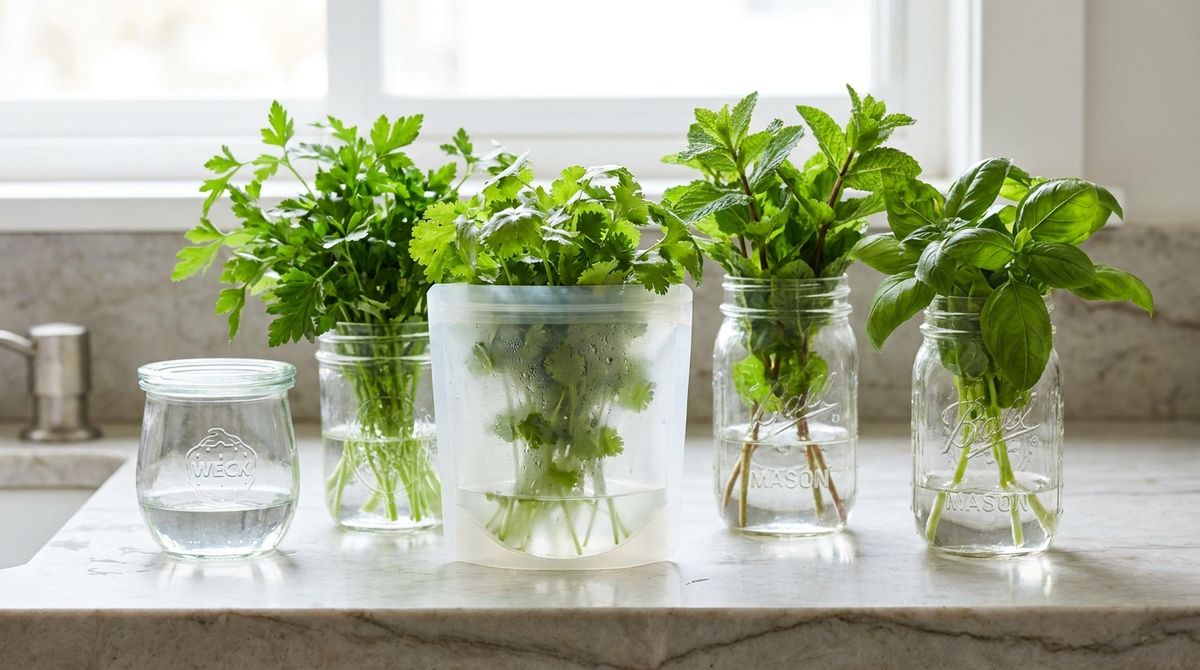
Dips made with yoghurt and fresh herbs are a gentle alternative for those who do not own a blender. Finely chop a generous handful of mint, coriander, or parsley, then stir it into thick plain yoghurt with a pinch of salt, a little crushed garlic, and a squeeze of lemon juice. The result is fresh, creamy, and ready in minutes.
For a smoother texture, grate a small cucumber, squeeze out the excess liquid in a clean cloth, and fold the cucumber into the yoghurt. This version works well with flatbread or crisp raw vegetables. Let the dip rest in the fridge for half an hour so the flavours can settle before you serve it.
Yoghurt-based dips do not keep as long as cooked chutneys, so make them for the next day or two. If someone at the table has a dairy allergy or lactose intolerance, choose a plant-based alternative and check the label carefully. Readers may also want to visit patbigoldmedia.org.
A list of pantry staples to keep close
Having a few reliable staples makes it easy to create a chutney or dip at short notice. The list below suggests items that most small kitchens can keep without much effort:
- Onions and garlic, stored in a cool, dry place away from direct light.
- A jar of vinegar, such as cider or white wine vinegar, with a tight lid.
- Dried spices, including cumin, chilli flakes, and ground coriander.
- Tinned tomatoes, which work well when fresh ones are out of season.
- Plain yoghurt, kept chilled and used before its date passes.
Rotate these staples so that the older items are used first. Check the jars every few weeks and throw away anything that smells stale or looks unusual. A small shelf dedicated to these basics keeps the kitchen organised and reduces last-minute shopping.
Consider keeping a simple note of which combinations you enjoyed and which you would change next time. Over a few months this record becomes a personal recipe bank. You can also visit newshopu.com for more reading. Cooking in small batches rewards curiosity, and it gives you a steady supply of flavour that fits comfortably into a busy week.
Storing and serving for the whole week
Store chutneys and dips in clean, covered containers in the fridge, and label each one with the date it was made. This habit prevents confusion when several small batches are waiting at once. Use a fresh spoon for every serving, and never leave a dip out at room temperature for long periods, particularly in warm weather.
Serve these condiments in different ways to keep them interesting. A spoon of chutney can enliven a cheese sandwich, while a dip can turn leftover roasted vegetables into an easy lunch. Thinning a thick chutney with a little water or oil can also make it suitable for drizzling over rice or grains.