
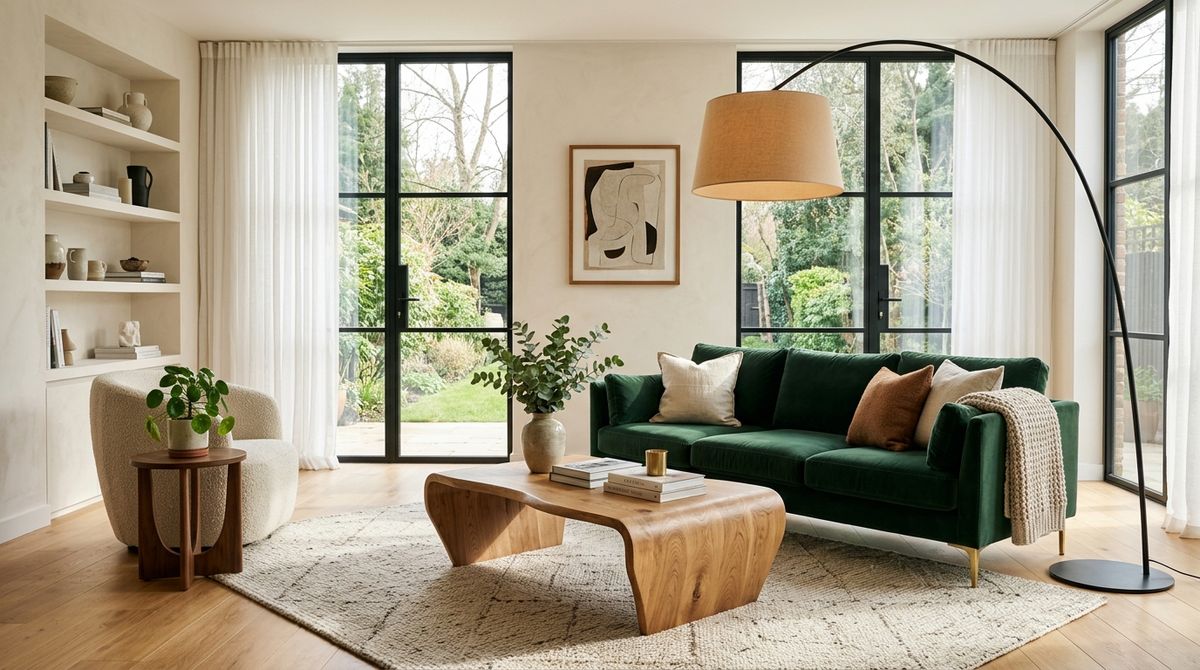
A rooftop or terrace can transform a home, turning an unused patch of outdoor space into a place for morning tea, evening conversation, or a quiet book. Many people, however, buy furniture in a rush and then find the space too hot, too windy, or simply uncomfortable to sit in for long. Good design starts with how the area will be used, how the sun and wind move across it, and how easily furniture can be stored or moved. This article walks through those decisions in a practical order.
Decide how the space will be used
Begin by writing down the main purposes of the area. Perhaps it will host a morning coffee for one, a family meal once a week, or a corner for children to play under supervision. Each purpose suggests a different seating arrangement, table height, and amount of shade. A clear purpose prevents you from buying items that look attractive but serve no real need.
Think about privacy as well. Neighbouring windows or nearby buildings may affect how relaxed you feel. A screen, a row of tall planters, or a simple fabric panel can add comfort without making the space feel enclosed. Choose options that suit the structure of the building and the rules of your home.
Check sun, wind, and safety first
Spend a day observing how the sun moves across the space. Note which corners get harsh afternoon light, where breezes gather, and whether any spot stays damp after rain. These observations guide the placement of seating, shade, and plants. A corner that feels pleasant in the morning may become too hot later in the day.
Safety matters on any raised area. Check that railings and parapets are secure and at a sensible height, and keep heavy furniture away from edges. If you are uncertain about the load your roof or terrace can bear, consult a qualified structural engineer before adding heavy planters or built-in seating. This article offers general guidance only.
Choose furniture that suits the weather
Outdoor furniture should resist sun, rain, and wind. Look for materials that are designed for exterior use and that dry quickly after a shower. Lightweight chairs are pleasant to move but can blow away in a gust, so weigh them down or choose heavier pieces for exposed corners. Cushions should be water-resistant, and it helps to store them indoors during bad weather.
Readers may also want to visit supplementsangles.com. Use them to test ideas on paper before buying anything, since a layout that looks generous in a shop may feel cramped on a small terrace.
Add shade, light, and greenery
Shade is often the difference between a pleasant space and an unbearable one. A parasol, a shade sail, or a pergola can create a cool area for the hottest part of the day. Position shade so it covers the seats rather than just the table, because sitting in the sun is what makes people leave. Test the position of any shade before fixing it permanently. A sail that looks right at noon may leave the seats exposed later in the afternoon, so observe the area at different times first.
Lighting extends the usefulness of the space into the evening. Choose warm, soft lights rather than harsh white ones, and keep fixtures weather-rated. Greenery adds softness and privacy. Hardy plants that suit the local climate are easier to maintain, and a mix of pots at different heights creates interest without taking up much floor area.
- Write down the three main ways you plan to use the space.
- Observe how the sun and wind move across the area for one full day.
- Choose weather-resistant furniture and cushions that suit the climate.
- Position shade over the seating area rather than only over the table.
- Check that railings, planters, and furniture are secure and safely placed.
Maintain the area with a simple routine. Sweep leaves, wipe furniture after heavy rain, and check that drains are clear so that water does not pool. You can also visit bikramyogales.com for more reading. For a related read on this site, see The Renter’s Tool Kit: The Basics That Fit.
Keep the area comfortable all year
Plan storage from the start. A small deck box or a lidded trunk keeps cushions and cleaning supplies dry and out of sight. Check that cushions fit inside the box before buying it, because a bulky set that does not fit will end up left outside. Folding furniture that stacks neatly saves space when the area is not in use. A space that is easy to tidy in minutes is far more likely to be used on a whim.