
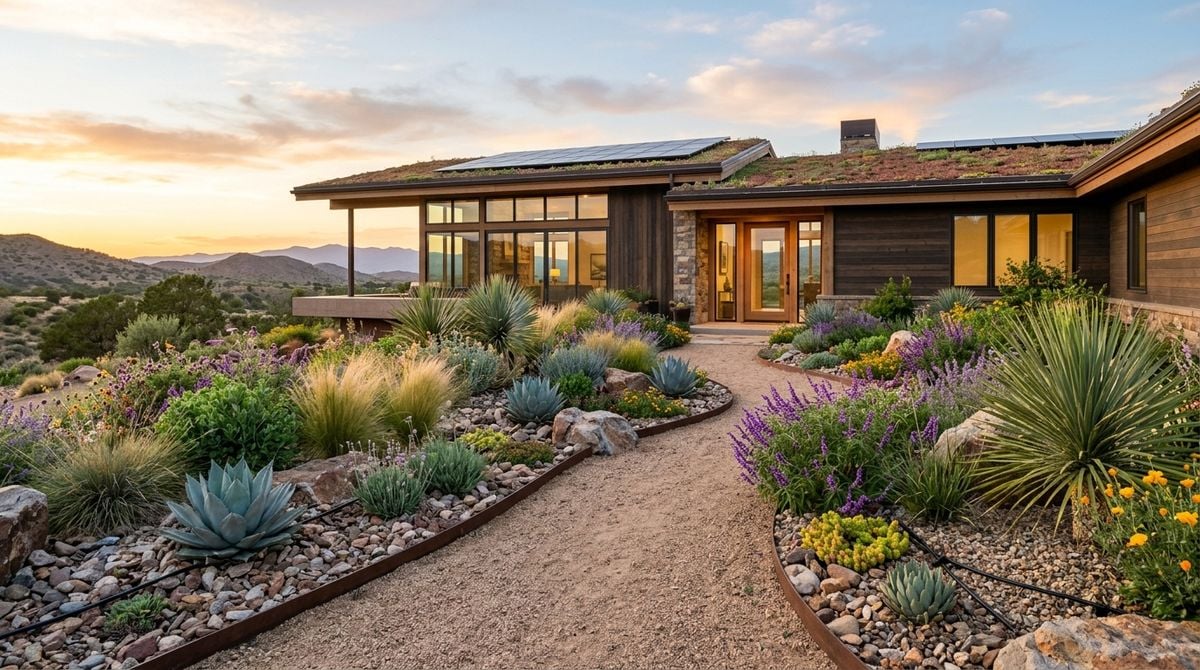
Traditional property staging relies heavily on rapid turnover, cheap fast-furniture, and synthetic accents shipped across long distances only to be discarded after a sale. As buyers and property owners become more conscious of environmental footprints and healthy living spaces, a compelling business opportunity emerges for forward-thinking entrepreneurs.
Launching an eco-friendly home staging consultancy allows you to merge aesthetic interior presentation with responsible sourcing and non-toxic materials. By helping sellers showcase residences using sustainable furnishings, zero-waste practices, and natural elements, you position your firm as a progressive alternative in a crowded real estate market. This commercial path allows you to create high visual value while staying true to responsible principles.
Understanding the Market for Sustainable Staging
The modern real estate landscape is experiencing a meaningful shift in consumer values. Discerning homeowners, property developers, and prospective tenants increasingly care about indoor air quality, sustainable building materials, and energy conservation. When entering a staged residence, they notice whether the furnishings feel authentic or like disposable props destined for a landfill.
Prospective buyers and tenants increasingly believe that personal well-being and daily satisfaction start directly at their front door. For thoughtful insights into why a supportive living space matters, resources like electricmela.com illustrate how intentional home environments shape everyday mindset and daily habits. Your consultancy translates that awareness into commercial presentation, showing buyers how a residence can foster calm, health, and balance.
Rather than treating sustainability as a secondary sales pitch, build it into the foundation of your brand identity. Target sellers who own energy-efficient dwellings, eco-conscious homeowners who refuse petroleum-based textiles, and boutique property managers aiming for distinct tenant positioning. When you clearly define who benefits most from your specialized aesthetic, marketing conversations become straightforward and compelling.
Curating a Circular and Low-Impact Inventory
Traditional home stagers maintain large warehouses packed with mass-produced decor made from composite boards, chemical glues, and synthetic fabrics. An eco-friendly consultancy takes a different path by curating a circular inventory that emphasizes durability, restoration, and minimal waste.
Begin your collection by sourcing solid wood furniture from local estate sales, vintage markets, and architectural salvage yards. High-quality mid-century tables, solid oak dressers, and classic timber credenzas carry unique warmth and character that synthetic items cannot match. Minor imperfections can be refinished using solvent-free waxes, plant-based oils, and non-toxic mineral paints.
Complement these anchor pieces with textiles crafted from certified organic cotton, raw linen, hemp, and cruelty-free wool. Partner with regional artisans who create ceramic vases, hand-woven baskets, and natural stone accessories. This localized supply network reduces shipping emissions while providing clients with a compelling narrative about community craftsmanship.
Storage management also requires disciplined planning. Instead of leasing massive, energy-intensive warehouses far from your service zone, seek climate-controlled storage units equipped with efficient climate controls, or share staging depot space with established non-competing trades like high-end art handlers.
Designing Spaces That Balance Ecology and Broad Appeal
Effective staging requires striking a balance between showcasing personality and preserving neutral appeal. Staged properties must still allow prospective occupants to envision their own routines within the rooms. Sustainable design naturally excels here because organic textures and neutral earth tones create an open, tranquil atmosphere.
Focus on maximizing natural daylight, introducing living greenery, and improving visual flow across common areas. When curating setups for leaseholds or staging model units for green-minded tenants, consulting practical guides such as Greenrenters.org can provide actionable inspiration on low-impact living, non-toxic cleaning routines, and sustainable lifestyle practices. These thoughtful touches help prospective occupants envision an elevated, low-waste routine.
Here are several foundational staging principles to apply across every residential project:
- Prioritize live potted houseplants over artificial greenery to naturally purify indoor air and add vibrant color.
- Use breathable natural textiles such as linen drapery and organic wool throws to soften seating areas without off-gassing odors.
- Install warm, energy-efficient lighting fixtures to emphasize architectural strengths and create an inviting ambiance.
- Declutter rooms thoroughly to highlight open floor plans and encourage the circulation of fresh air.
Structuring Service Packages and Practical Operations
To build a sustainable enterprise, your service offerings must be structured cleanly so real estate agents and homeowners understand exactly what they are purchasing. Offering tiered packages helps you serve varied property sizes while protecting your operating margins.
Consider developing a consultation package for occupied dwellings where sellers use their existing furniture. During these sessions, you guide the homeowner through decluttering, rearranging functional layouts, and swapping out synthetic elements for natural accents. Provide clients with an actionable digital report following each walkthrough. This checklist should outline specific room-by-room recommendations, from maximizing cross-ventilation to replacing artificial fragrance diffusers with pure essential botanicals. Clear documentation reinforces your expertise and ensures homeowners can implement your suggestions efficiently.
For vacant properties, offer comprehensive full-home staging packages where your team delivers, installs, and styles curated vintage and eco-certified pieces for a defined listing period. Operational efficiency depends on careful logistics. Invest in reusable moving blankets, heavy-duty fabric furniture covers, and strap-based transport carts instead of single-use plastic wrap and disposable packing tape. Many founders discover that niche staging easily expands into dedicated residential layout advisory. If you want to explore adjacent specialization models, review our guide on launching a pet-friendly design consultancy to see how focused spatial planning creates strong word-of-mouth referrals.
Marketing Your Firm to Realtors and Property Owners
Client acquisition in the property industry relies on trust and strong professional networks. Real estate agents are your most valuable referral source because they regularly represent sellers who require pre-listing aesthetic enhancements.
Reach out directly to real estate brokers who specialize in green certifications, historic properties, or modern architectural homes. These agents already speak the language of environmental stewardship and understand that eco-friendly staging aligns with their clientele. Offer to stage a broker open house or provide a brief presentation at their team meetings regarding how non-toxic styling enhances property appeal.
Document every project with professional photography that captures both wide room angles and close-up details of natural materials. Share case studies online showing the transformation of dated spaces into serene, light-filled sanctuaries. Emphasize how clean materials and intentional design create memorable first impressions for every prospective buyer who walks through the door.
Building an eco-friendly staging consultancy allows you to address growing environmental awareness while building a distinctive brand in a vibrant service industry. By maintaining a circular inventory, championing non-toxic living spaces, and serving as a knowledgeable partner to real estate professionals, you can establish an enduring business that proves commercial aesthetics and ecological responsibility work hand in hand.