
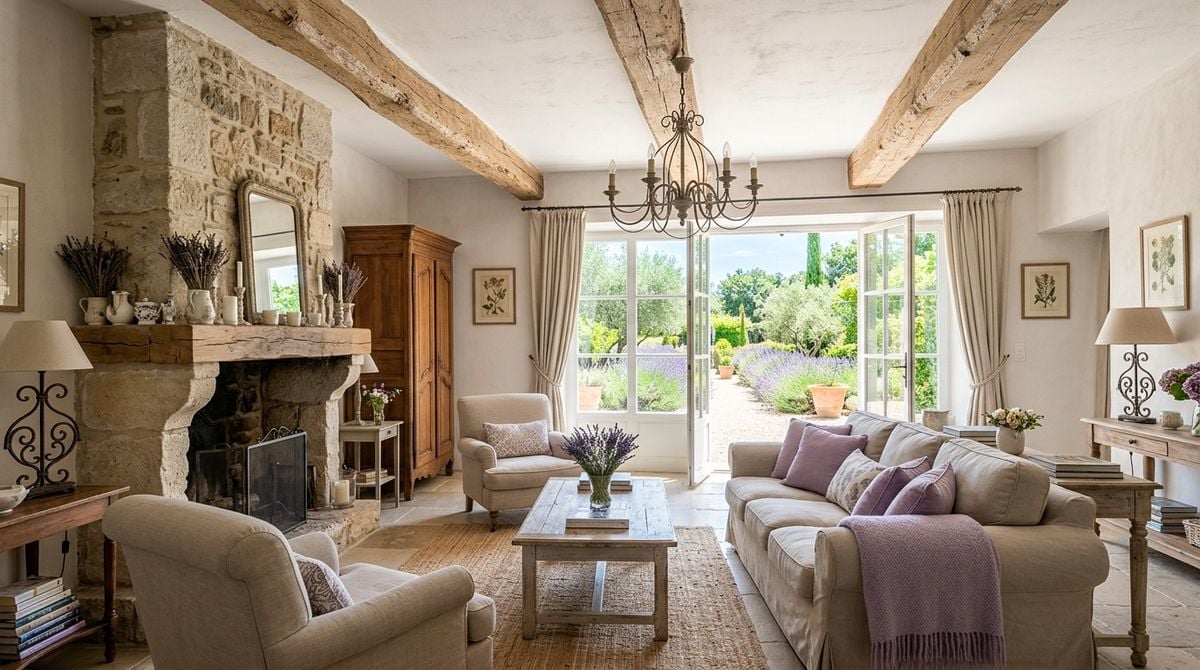
Homeowners often face an ongoing dilemma when sharing their living spaces with companion animals. Traditional luxury interior decoration frequently relies on delicate textiles, unprotected hardwood surfaces, and open configurations that deteriorate rapidly under the daily wear of claws, moisture, and shedding. At the same time, standard pet gear such as plastic kennels, bulky scratching towers, and utilitarian feeding bowls disrupts the visual harmony of a carefully curated home.
Launching a specialized design practice focused on pet-integrated interiors addresses this friction directly. Entrepreneurs who understand spatial planning, durable material finishes, and animal behaviors can build a rewarding niche practice. Rather than forcing clients to choose between refined aesthetics and the comfort of their pets, a dedicated consultancy provides customized solutions that celebrate both elegant living and domestic companionship.
Understanding Animal Habits and Spatial Flow
Successful pet-centric home design begins with observant spatial analysis rather than surface decoration. Every domestic animal moves through a residence with distinct patterns, seeking out warm sunlit patches, designated observation points near windows, and secure nesting corners where they feel safe from foot traffic. When mapping out a floor plan, a consultant must identify these movement corridors to prevent bottlenecks and eliminate everyday household hazards.
Observing genuine interactions between animals and their human guardians reveals valuable design cues. Studying natural animal body language and resting habits through community platforms like animals-photos.net offers practical insight into how pets bond with household members and occupy communal rooms. Recognizing whether a dog prefers an elevated perch or a tucked-away den informs whether your design should include integrated banquette seating or a recessed alcove beneath a custom credenza.
Circulation paths also require intentional transitions. High-traffic entryways benefit from dedicated mudroom suites featuring warm water rinse stations, built-in towel warming drawers, and non-slip drainage floors. By planning these utilitarian checkpoints near primary entry doors, you protect interior living areas while maintaining an effortless daily routine for the owner.
Specifying High-Performance Materials and Finishes
Material specification forms the backbone of any enduring pet-friendly interior. Designers must navigate the delicate line between tactile luxury and resilient performance. Traditional hardwood flooring with soft oil finishes tends to scratch easily, whereas porcelain tile, natural stone, sealed concrete, and luxury vinyl planks provide scratch defense and moisture resistance while maintaining sophisticated visual textures.
Upholstery selection demands equal diligence. Woven fabrics with loose threads invite claw snagging, while heavy velvet, tightly woven microfiber, and high-performance commercial-grade textiles resist snagging and release shedding fur with minimal effort. Washable slipcovers tailored to fit custom furniture pieces allow homeowners to maintain pristine entertaining spaces without banishing their companions from the living room sofa.
Aesthetic coherence extends beyond floorboards and seating. Incorporating architectural accents, modern wall paneling, and refined finishes elevates a home above mere utility. Reviewing trend resources such as deltadesignltd.co.uk demonstrates how thoughtful decorative design and structured interior details turn ordinary rooms into visually striking environments. Incorporating durable wall paneling or decorative wainscoting protects lower drywall sections from tail wagging, dirt marks, and minor abrasions while adding architectural depth to living areas.
Structuring Your Core Service Offerings
To position your consultancy effectively, create structured service packages that match different homeowner needs. Some clients require full-scale spatial remodels, while others simply need guidance on selecting pet-safe textiles and organizing clutter. Clarifying your project scope during initial consultations ensures smooth project delivery and manages client expectations.
A well-rounded consultancy typically provides a defined range of service tiers:
- Spatial Audits: Comprehensive on-site evaluations analyzing traffic flow, material vulnerabilities, and animal behavior zones.
- Custom Cabinetry Design: Architectural drawings for built-in feeding drawers, hidden litter commodes, and recessed sleeping nooks.
- Material Procurement: Sourcing high-performance upholstery, commercial-grade flooring, and pet-safe nontoxic wall treatments.
- Turnkey Project Management: Coordinating with skilled carpenters, tile installers, and finish contractors through final styling.
Providing clear deliverables for each package reassures clients that their project will proceed methodically. Detailed design boards, material samples, and dimensional elevation drawings demonstrate professionalism and justify premium design consulting fees.
Integrating Wellness and Holistic Living Concepts
Modern homeowners increasingly treat their animals as full family members, creating substantial demand for spaces that support animal health and tranquility. Indoor air quality, natural illumination, and low-stress layouts play critical roles in domestic animal longevity. Designers should specify nontoxic paints, hypoallergenic finishes, and acoustic wall panels that soften sudden loud noises that might startle sensitive ears.
Holistic design principles align closely with healthy daily habits. Integrating daylighting through low-sill windows allows pets to maintain healthy circadian rhythms, while slip-resistant flooring preserves joint health in aging dogs. Entrepreneurs who familiarize themselves with holistic pet lifestyles—similar to the foundational concepts detailed in our guide on building a natural pet wellness venture—can apply that broader knowledge to craft calming indoor habitats that promote vitality and peace of mind.
Ergonomics must also extend to human caretakers. Elevating feeding stations to appropriate heights reduces strain for large breeds while making cleaning easier for owners. Concealing litter maintenance tools inside ventilated millwork with integrated carbon filtration keeps utility areas discreet, hygienic, and odor-free.
Building Strategic Partnerships and Growing Your Practice
Establishing a sustainable design studio requires strong alliances across multiple creative trades. Skilled general contractors, custom millwork fabricators, and upholstery artisans form the operational foundation that turns your concepts into physical reality. Developing ongoing trade relationships ensures that custom details, such as integrated pet gates matching historical door frames, receive expert craftsmanship.
Marketing your services demands high-quality visual storytelling. Standard architectural photography often portrays homes as sterile, uninhabited spaces. In contrast, your portfolio should showcase warm, sophisticated interiors with well-groomed pets comfortably resting in their designated spaces. Capturing these moments highlights how elegant design and daily animal companionship can thrive together in complete harmony.
Networking with premium real estate agents, landscape architects specializing in pet-safe gardens, and bespoke pet service providers creates an ongoing referral pipeline. When homeowners seek guidance on upgrading their residences to suit active domestic lives, your studio will stand out as the definitive authority in functional luxury living.