
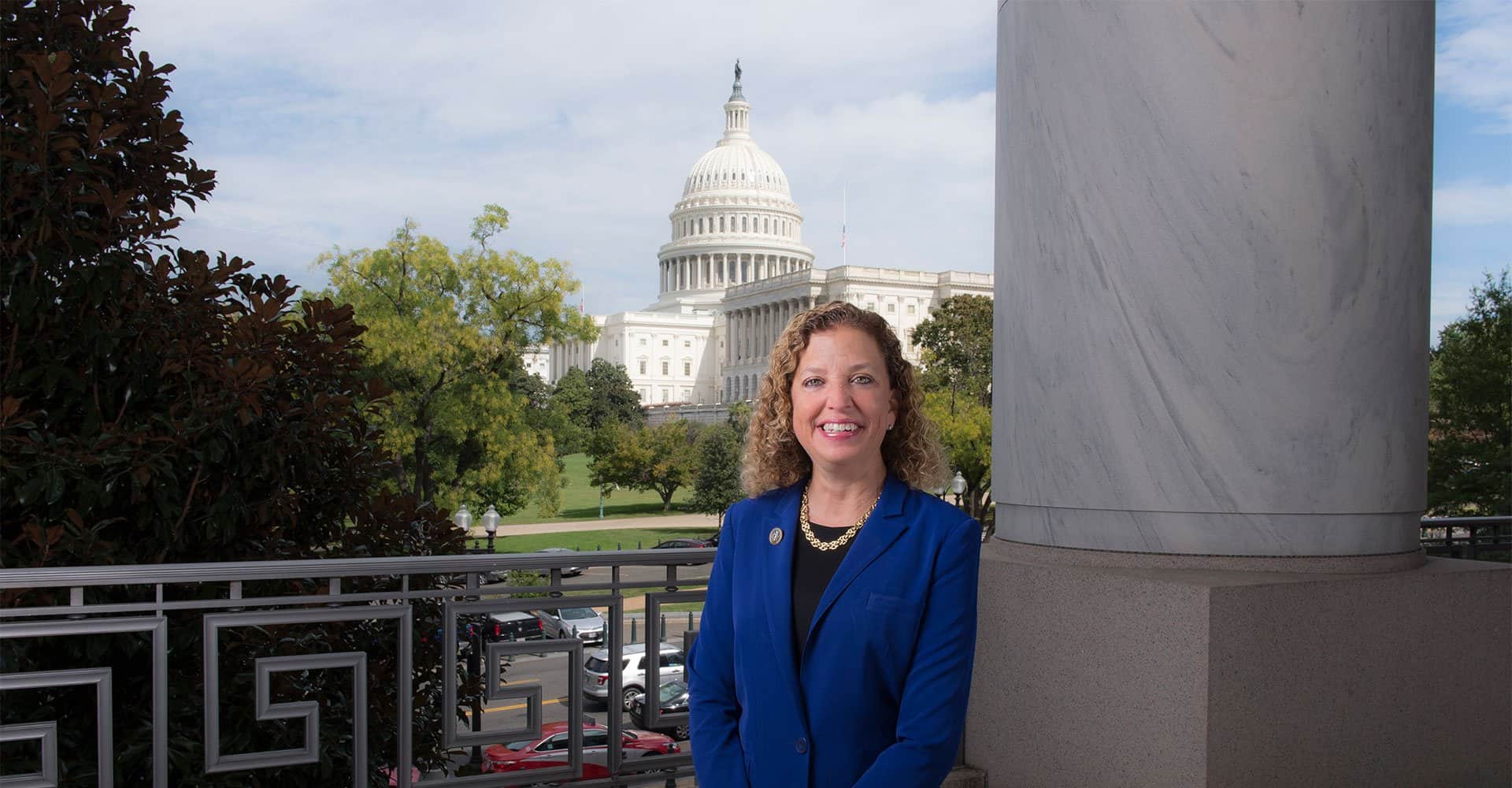
In 2025, few figures in Washington exemplify the complexity of modern Democratic leadership more than Debbie Wasserman Schultz. A seasoned lawmaker, former Democratic National Committee chair, and staunch advocate for women’s health and civil rights, Debbie Wasserman Schultz continues to play a significant role in shaping the party’s direction. At the same time, she remains a subject of intense scrutiny, with both her critics and supporters acknowledging her undeniable influence on national policy and Democratic strategy.
Debbie Wasserman Schultz Maintains Key Position Within Party Leadership
Currently serving as Chair of the House Democratic Steering and Policy Committee, Debbie Wasserman Schultz helps determine committee assignments and policy priorities within the House Democratic caucus. Her strategic role puts her at the heart of legislative negotiations and political positioning as Democrats navigate a narrowly divided Congress and an increasingly fragmented electorate.
Known for her organizational discipline and political tenacity, Debbie Wasserman Schultz has earned praise from Democratic leaders for her ability to hold the party line during contentious debates. Her recent efforts to unite moderate and progressive lawmakers around key legislative packages including climate initiatives, healthcare reforms, and reproductive rights protections underscore her commitment to party cohesion without sacrificing her own policy convictions.
Public Policy Advocacy Remains Central to Debbie Wasserman Schultz’s Work
Beyond her leadership role, Debbie Wasserman Schultz has continued to advance causes close to her personal and professional life. A breast cancer survivor with a BRCA2 gene mutation, she has consistently championed genetic testing access and women’s health legislation. Her co-sponsorship of the Reducing Hereditary Cancer Act has been widely praised by patient advocacy organizations for its bipartisan approach and life-saving potential.

Debbie Wasserman Schultz is also one of Congress’s most vocal defenders of Israel and Jewish identity in the United States. In 2025, she helped spearhead the formation of the Congressional Jewish Caucus and led efforts to secure funding for national strategies to combat antisemitism. These moves have received both praise and criticism, with some progressive activists accusing her of taking overly rigid stances on Middle East policy. Nevertheless, supporters argue that her unwavering position reflects a broader commitment to fighting hate and promoting global human rights.
Controversy Continues to Shadow Her Public Image
Despite her achievements, Debbie Wasserman Schultz continues to face lingering questions tied to past controversies. Her tenure as chair of the Democratic National Committee remains one of the most polarizing periods in recent party history. The 2016 DNC email leaks, which revealed internal bias during the Democratic primary, ultimately led to her resignation. While she has since rebuilt her standing among party leaders, the episode continues to affect her reputation among progressive voters.
More recently, ethics groups and political watchdogs have scrutinized Debbie Wasserman Schultz’s financial disclosures and personal stock trades. Critics argue that her trades aligned too closely with her committee assignments, prompting renewed calls for reforms to congressional stock trading rules. Though no legal violations have been confirmed, the allegations add to the cloud of suspicion that many Americans feel toward long-serving incumbents.
Debbie Wasserman Schultz Balances Influence With Accountability
In a political climate marked by polarization and distrust, Debbie Wasserman Schultz represents the tension between establishment experience and calls for transparency. While she has maintained significant influence within the Democratic Party, she must continue to navigate both policy responsibilities and public perception. Her work on healthcare, minority rights, and party leadership speaks to her dedication, yet the weight of past controversies and ongoing criticism demands a careful balance.
As the 2026 midterm cycle begins to take shape, Debbie Wasserman Schultz remains a key figure to watch. Whether she is introducing new legislation, defending her record, or shaping the Democratic strategy for the future, her role is as consequential as ever. For supporters, she is a battle-tested leader with deep institutional knowledge. For critics, she symbolizes a political class slow to reform. Either way, Debbie Wasserman Schultz continues to define and divide opinions in American politics.